Showing posts with label search warrant. Show all posts

Saturday, February 10, 2018

Florida: Judge said exigent circumstances didn't exist when police seized abused Pit Bulls suspected of being used in dog fights; orders dogs returned to suspected abusers

DAYTONA BEACH, FLORIDA — Nearly two dozen pit bulls seized last year by Daytona Beach police on suspicion they were being used for fighting were returned to their owners after a judge determined the animals were confiscated without a warrant.

County Judge Angela Dempsey threw out the city’s petition to take custody of the animals after the court determined police violated Noble Geathers’ Fourth Amendment rights when they illegally searched his property at 225 Reva Street on Nov. 2 and unlawfully confiscated 23 dogs.


The raid on the house and the confiscation of the dogs have not been made public by police. Callers from the community to The Daytona Beach News-Journal this month expressed concern that several dogs treated at the Halifax Humane Society had been returned to their owners.

A News-Journal public records request to the Daytona Beach Police Department on Wednesday about the seizure of the dogs was responded to with two reports, one about animal abuse and the other about a stolen car. The names of the suspects and the details of what happened were completely blacked out on the provided reports.

“This is still under investigation, but as soon as it’s ready we will release,” Lyda Longa, police spokeswoman, said in an email. “This is a sensitive investigation ... it can’t be jeopardized.”


But Volusia County court records reveal the details of the case including a Humane Society veterinarian’s report and photos, and Dempsey’s ruling that police should have had a warrant when they entered the property.

Police Chief Craig Capri said on Thursday that although the judge gave back the dogs, the case is still open and investigators are working on filing criminal charges on Geathers, 50.

Because it is an active criminal investigation, Capri contends his agency does not have to release the narrative in the reports.

He said his officers did the right thing that day — and didn’t need a warrant.

“Dog fighting is inhumane and is a very serious offense,” Chief Capri said. “We owed it to the dogs to seize them and protect them from the owner who is irresponsible.

“I’d do it again in a heartbeat,” Chief Capri added.

Looking for a stolen car

Detailed court documents, complete with photos, show police went to the Reva Street home to recover a stolen car on Nov. 2.

When officers got to the home and entered the fenced backyard, they saw numerous dogs, some in kennels, that appeared neglected.

Even a breeding device, which the veterinarian’s report referred to as a “rape stand,” was found in the backyard, a police report states.


Police made contact with Geathers, who said he was the owner of the 23 dogs, court documents show. Geathers told police he had been breeding the animals.

Geathers’ wife, Tiera Geathers, 33, arrived at the home shortly after and she also said the dogs belonged to them, investigators said.

Noble and Tiera Geathers could not be reached this week, and a man who answered the door Thursday at 225 Reva said the couple no longer lives there.

Thanks to the judge not believing that exigent circumstances existed to seize the dog, NOBLE GEATHERS and TIERA GEATHERS are not facing charges in either the case about the abused dogs or the stolen car.

In the November incident, animal control officers were called to the home after 23 American Staffordshire terriers (aka pit bulls), 15 of which were adult dogs, were found in the backyard, documents state.

A 4-month-old puppy and seven newborn pups were found, and another six adult dogs and a 1-month-old puppy were in heavy chains, police said.

Eight other dogs — seven puppies and their mother — were held in cages, the floors covered with feces. None of the dogs had food. All but two of the dogs that were chained did not have water. And two had water that was filled with debris and dirt, investigators said.

Besides tight collars that had made abrasions on the dogs’ necks, some of the dogs had puncture scars focused on their faces, necks and forelimbs, “despite being housed separately.” The animals also had untreated open wounds and some of them were malnourished, court documents state.


Investigators also found paraphernalia on the property that is consistent in the use of breeding and dog fighting, court records state.

A large weight scale, empty cans of Scarlex wound dressing spray, an empty syringe and heavy chains with O rings were located. Those items and the rape stand for forced and controlled breeding are signs of dog fighting, police said.

Treated at the shelter

Daytona Beach Animal Control Officers removed the 23 dogs from the home and placed them in the care of the Halifax Humane Society, records show.

City officials on Nov. 13 filed in court to keep custody of the dogs seized from the Geatherses after the veterinarian’s determination the dogs’ wounds and scars were “consistent with dogs that have been fought.”

Ormond Beach animal advocate Katie Williams contacted The News-Journal after learning the dogs had been returned to their owners.


“It’s just crazy,” said Katie Williams, of Ormond Beach, who said she visits shelters and rescues dogs to adopt out on her own.

Williams said she heard about the dogs at a Christmas party and said it made her emotional when she learned they were back with the owners.

“There needs to be some protocol. The Humane Society should work on finding a way to prevent them from sending back these dogs to the hell they came from,” Williams said. “There needs to be better legislation to protect these defenseless animals.”

Barry Kukes, Halifax Humane Society spokesman, would only confirm that his organization cared for the dogs and said they were complying with a judge’s order when the canines were returned to the owners.

Dempsey threw out the city’s case after a hearing, stating that police violated the Geatherses’ Fourth Amendment U.S. constitutional rights against unreasonable searches and seizures, and he gave the couple back its dogs.

According to the Dec. 18 court order dismissing the case, the confiscation of the dogs was illegal and “all evidence derived therefrom is the fruit of the poisonous tree and cannot be used against (the Geatherses).”

The judge in her order stated that police officers entered the fenced property with the intent to search and made no attempt to knock on the door, nor did they attempt to get a search warrant.


Even after police removed the stolen vehicle and saw the dogs, no effort was made by police to get a warrant. There was no testimony that there were concerning smells or dogs in distress. Police body-cam video showed that the area was quiet and the dogs were mostly friendly and energetic when approached, the court order states.

Dempsey’s order states the Geatherses had a legitimate expectation of privacy given that they had a fenced backyard, which was invaded.

POLICE CHIEF SAYS EXIGENT CIRCUMSTANCES EXISTED

Capri disagrees. The chief said all the evidence on the scene indicated the dogs were used for fighting. Capri said the officers went to the Reva Street home to get a stolen car they had seen in the yard and discovered the dogs in horrible conditions.


“I didn’t need a warrant to seize the dogs. We had animals that needed medical attention,” Capri said. “There were dogs that had signs of dog fighting. Some of them were all scarred. Others were bleeding and had open wounds and not well cared for.”

Capri said his officers did their jobs and still believes the animals were used for dog fighting but that they have to abide by the judge’s ruling. Noble Geathers has a lengthy arrest record that includes at least one drug conviction, state records show.

“We did the right thing. We did our best to protect those dogs by removing them and putting them in protective custody,” Capri said. “All the evidence, the paraphernalia, found at the property showed there was dog fighting going on there.”


Name: Noble Geathers
Race: Black
Sex: Male
Date of Birth: 04/29/1967
Arrest date: 04/17/2011
Booking Number: 846365
Location: Volusia County, Florida
Charges:
DRIVING W/LICENSE CANCELED SUSPENDED/REVOKED
DRIVING WITHOUT A DRIVER'S LICENSE

Name: Noble Geathers
Race: Black
Sex: Male
Date of Birth: 04/29/1967
Arrest date: 07/19/2014
Charges:
AGGRAVATED ASSAULT (FIREARM)
POSSESSION OF CANNABIS NOT MORE THAN 20 GRAMS

His son, Noble Geathers, won $500,000 on a scratch-off lottery ticket in March 2013. It was an opportunity for a better life. Instead, it appears he squandered it as he has arrests on his record less than 3 months later.

Noble Geathers has reason to smile. After all, it's not every day that a 19-year-old kid pockets half a million bucks. At least before taxes, any way.


The 2011 Daytona State College graduate claimed his $500,000 prize in the Gold Rush Tripler Scratch-Off game at Florida Lottery headquarters in Tallahassee earlier this week.

Geathers purchased his winning ticket at the Pearson Food Store, 517 Mary Mcleod Bethune Blvd., in Daytona Beach.

The $20 Scratch-Off game, Gold Rush Tripler, offers better odds of winning $30 to $500, compared to previous Gold Rush Tripler games, and the best odds ever to win $500,000, according to lottery officials.

Name: Noble Geathers
Race: Black
Sex: Male
Date of Birth: 10/25/1993
Arrest date: 07/03/2013
FLEEING OR ATTEMPTING TO ELUDE
DRIVING WITHOUT A DRIVER'S LICENSE

Name: Noble Geathers
Race: Black
Sex: Male
Date of Birth: 10/25/1993
Arrest date: 04/01/2015
FLEEING OR ATTEMPTING TO ELUDE

(Theintell.com - Feb. 2, 2018)

Sunday, January 28, 2018

Texas: Nearly 30 dogs and puppies rescued from ammonia-filled home; one arrest has been made for Animal Cruelty

TEXAS -- Police in Mount Pleasant are investigating a case of suspected animal cruelty.

Police and Animal Control Officers executed a search warrant in the 1400 block of South Lide in Mount Pleasant after receiving a complaint of noxious smells coming from a house.


Twenty-eight dogs have been seized from inside the residence. Conditions are so bad that protective suits and respirators had to be worn for heath concerns.

This is an ongoing scene and investigation. Additional city resources are being called in due to health concerns.


Police arrested Mary Helton, 70, on 28 counts of animal cruelty.

She was booked into the Titus County Jail.


(Arklatexhomepage - January 28, 2018)

Thursday, November 23, 2017

Florida: Statue erected in Happy Tails Dog Park to remember puppy which was tortured and beaten to death by his owner

FLORIDA -- A puppy named Ponce, who was brutally beaten and killed, now has a statue placed in the Ponce Inlet Happy Tails Dog Park to remember his life and other abused animals.


The statue was erected in the park on Thursday, Nov. 10., and is inscribed with the words, "In loving memory of Ponce April 8, 2017 and with great compassion for all animals who suffer abuse."

The 9-month-old Labrador retriever puppy was tortured and beaten to death in  April 2017. Travis Archer was charged with a third-degree felony in the incident, which made national headlines.


Because of this incident, House Bill 473, filed on Friday, Oct. 27, is now making its way through the legislative process to possibly become law. The bill was given the name "Ponce's Law" and would enact harsher punishment for individuals who abuse animals.

The Justice for Ponce organization has received thousands of signatures on a petition to enforce harsher punishment for animal cruelty.


POLICE BODYCAM VIDEO:


(Port Orange Observer - Nov 10, 2017)

Earlier:

Sunday, November 5, 2017

(October 2017) West Virginia: More than 50 Dogs and Goats Seized from Elderly Woman's Kanawha County Farm

WEST VIRGINIA -- Dozens of herding dogs were seized from a Kanawha County farm Monday in an animal neglect case.

Kanawha-Charleston Humane Association along with several law enforcement agencies executed a search warrant and raided the home, taking 56 dogs into the KCHA's care.

The home is in the small town of Liberty, just outside Sissonville.


The property owner, a woman in her 80s, kept dozens of dogs chained to the inside of a crumbling barn. Shafer’s team called the conditions “clear-cut neglect.”

As Kanawha-Charleston Humane Association vets are taking a preliminary look at the animals, they're finding injuries, illness, signs of breeding and pain. KCHA doesn't know how long the dogs were living on the farm, but we know tonight they are safe.


"It's heart-wrenching to see. This is one of those things that we hear about it, but you never really understand the level of neglect until you get here and see it for yourself," Jessie Shafer, Director of Development for KCHA, told 13 News.

Some of the 56 animals were found in fenced areas, others chained to small stalls in several barns on the property.

"Nobody can care for this amount of animals properly. Nobody can meet basic needs of animals when you have this many animals running around. And the fact that they're chained to barn stalls, not able to move freely, not able to drink water," Shafer added.


KCHA isn't sure how long the homeowner has had this many Collies, Australian Shepards, and Black & Tans, or how long they were being mistreated.

"Their water is dirty if there is any. So we don't know whether they have parasitic issues or not. There are various degrees of matting situations that are going on, which can cause skin infections and severe pain," Shafer explained.


No one knew the animals were living on the remote farm until a local came by looking to buy wood from the homeowner.

"As soon as he made his way to the property, he realized there were dozens and dozens of animals in distress. So he reached out to a Humane Officer- which is always the right thing to do. And we took immediate action," Shafer said.


Several goats were found on the property, and also taken into the shelter.

Shafer says the owner signed over 49 dogs to the humane association. The owner refused to surrender ownership of the remaining seven dogs (no mention about the goats). She will have to go to court to fight to get them returned to her. No charges have been filed as of Monday afternoon.

VIDEO NEWS CLIP:


(Tristate Update - Oct 23, 2017)

Wednesday, October 11, 2017

California: Deputy shoots, kills pit bull after 2nd officer is attacked

CALIFORNIA -- A Santa Rosa County Sheriff's Office deputy is recovering after he was attacked by a pit bull while serving a warrant in Milton.

The pit bull was shot and killed.

It all happened after 4 p.m. Monday afternoon as authorities were serving a felony warrant to Nickole Trappman.


Investigators say the dog's owner, David Trappman, gave the dog commands to attack when deputies arrived.

Aloy said the dog latched onto a deputy's thigh. That's when another deputy fired his gun and killed the dog. He added the deputy who was bitten received several punctures and lacerations to his leg.

According to an incident report, when deputies searched the home, they found Nickole hiding behind a hot water heater and under a clothes basket.

David and Nickole were both arrested Monday afternoon.


"It happens quite frequently. We go to residences where there are dogs, it is a part of the job, but it all depends on how you approach it. We go to a situation expecting there to be dogs, as long as you approach a situation like that you expect there to be a dog and you treat it like there is a dog."

Channel 3 News learned Tuesday afternoon the deputy was treated and released from the hospital.

David Trappman remains in the Santa Rosa County Jail on a $61,000 bond.

(WEARTV - October 10, 2017)

Sunday, September 3, 2017

North Carolina: Dozens of cats, dogs taken from Mint Hill home in alleged animal hoarding, neglect case

NORTH CAROLINA --  A search warrant was served on a home in Mint Hill in in relation to a potential animal cruelty and neglect case, according to the Charlotte-Mecklenburg Animal Care and Control.

Mint Hill police and Animal Control were called Tuesday morning to a home on the 6500 block of Lebanon Road near Margaret Wallace Road.


Animal Control said it was given information that there were unsanitary conditions and neglect at the home.

Eyewitness News reporter Glenn Count went to the scene and said 24 cats, seven dogs and one rabbit were taken from the home.


He also saw Animal Control officers putting on breathing equipment before entering the home.

Animal Control said part of Lebanon Road would be shut down for a couple of hours during the investigation.


The circumstances surrounding the investigation have not been released yet.

VIDEO NEWS CLIP:


(WSOC - August 29, 2017)

Sunday, July 30, 2017

Washington: Ferndale cow cruelty case against Seth Snook doomed by animal control missteps; farmer sues county

WASHINGTON -- Animal control officers in Whatcom County worked without legal authority from 2010 to 2017, an oversight that crippled an animal neglect case against a Ferndale dairy farmer, who was accused of starving his cows.

All felony charges against Seth Daniel Snook were either dropped or deferred, and his attorney maintains the cows at Snook Brook Farms weren’t starving.


Snook’s lawyer, Emily Beschen, argues that the Whatcom Humane Society committed a series of blunders by failing to renew a Superior Court authorization to act as animal control, carrying out an illegal warrant, and destroying the living evidence – the cows, many of which were shot in the head based on one cow’s false-positive test for an infectious disease.

Snook has filed a lawsuit against Whatcom County and the humane society in U.S. District Court for defamation and 18 other alleged injustices.

Public records obtained by The Bellingham Herald tell the story of how the case fell apart. Snook declined an interview for this article.

The Farm

Snook’s dairy came to the attention of animal control in late March, when a farm loan manager, Houston Bruck, tipped off an agriculture investigator in an email about conditions: “Poor feed, poor conditions, animals dying – not good,” Bruck wrote.

Snook, 35, said he fell on hard times when his wife underwent cranial surgery in summer 2016. He was left to care for her, their three daughters and the farm at 6804 Kickerville Road, where Snook’s mother makes cheese under the Pleasant Valley Dairy brand.


Snook fell behind on debt payments. Animals died on the farm, and went weeks without getting buried. 

Records show Snook had been warned about the need to bury dead livestock, to prevent the spread of disease, when inspectors found “mortalities present” on the farm two years earlier. He was not cited then.

Bruck took photos of three fresh carcasses in Snook’s barn in March 2017.

Other farmers also noticed the conditions on the farm, because its manure runoff was polluting ditches and Terrell Creek, a hazard to salmon, shellfish and beaches at a nearby state park.

Some concerned farmers offered help, or even to buy the dairy. They noted the farm itself was in poor condition, but did not see any signs of outright animal cruelty, according to Whatcom Family Farmers, a farm advocacy group. Snook refused to sell the farm.

By Spring 2017, Snook’s cows lived in unsanitary conditions, on a barn floor of sawdust compacted with manure, according to reports by Dr. Amber Itle, a field veterinarian with the state Department of Agriculture. Cows could wander into an unfenced manure lagoon, a sanitation and safety concern, Itle wrote.


All 25 cows – old and young, weak and strong – were mixed together, competing for low-quality, low-protein hay bales that seemed good enough for bedding, but not for a good diet. Dairy cows produce milk even if it harms their health, Itle wrote. Without a diet rich in fat and protein, they can starve on full stomachs.

Animal control officers stepped in to help feed the cows in April.

Itle said four of Snook’s cattle were in such poor shape they should be euthanized. Snook’s attorney doesn’t dispute that a few cows were too thin. Perhaps five had medical reasons that could justify euthanasia, Beschen said, but state law says the owner and a licensed veterinarian should be consulted, “whenever possible.”

Snook gave permission on April 17 for animal control to kill one cow, Babs, who couldn’t lift herself up. He surrendered another sick calf, Becky, who is still alive. Sixteen more were killed at the direction of the humane society without Snook’s input, and in most cases without an endorsement from the veterinarian who shot them.


Warrant Issues

Just before the cattle were seized by animal control, Itle gave Snook three options: sell them; gift the cows to another dairy; or allow routine check-ins from a nutritionist, a veterinarian and animal control. He agreed to sell. The cows were prized Jerseys and Holsteins with good genes, Beschen said.

“He would give them away before he would sell them for meat,” the attorney said.

Nonetheless, Itle advised the cows should go to slaughter.

Snook missed a beef cattle auction in Everson on a Monday in April. He messaged an animal control officer that he would go to the dairy auction that Wednesday so his cows could land in a dairy, and not in a hamburger.

Text messages in the court record show animal control Sgt. Rebecca Crowley replied to Snook, “Yes that’s fine.”


Hours before the dairy auction, however, 23 cows were taken without warning, while Snook worked a graveyard shift at a new non-farming job.

Asked why the deal was broken, humane society director Laura Clark said animal control “remained concerned about the fragile physical condition of the cow victims and their ability to be safely transported and housed at the auction.”

Crowley’s undated report cites anonymous sources who told her Snook planned to sell the cows at auction and buy them back. Crowley feared the cows wouldn’t survive being transported twice, she wrote, and returning the cows to the Snook farm would mean “sealing their fate to be starved to death.” She reported Snook later confirmed that was his plan. Beschen said he misinterpreted the reason he’d been told to sell. Snook thought it was about a lien, Beschen said, not law enforcement.

Records are scarce from the night Crowley executed the warrant. There were no reports from the Whatcom County Sheriff’s Office, because deputies were not present at the scene, a violation of the state law that spells out the powers of animal control officers.

A cow on Seth Snook’s farm on March 29, 2017


Animal control can serve warrants, the law says, but [because they are not certified officers] only if a sheriff’s deputy or a police officer is present. Snook wasn’t provided an evidence inventory receipt - which lists all the property seized from the suspect.

As a result, Snook had no documents to show the cows’ condition at the time of seizure.

“I have never (heard) of something like this done under cover of darkness,” Snook texted Crowley, after he came home to find his cows gone.

Starving, or ‘Arguably Perfect?’

Six of the cows were sent to Pasado’s Safe Haven in Monroe, an animal sanctuary. Two of those were the subject of animal cruelty charges. All six are still alive.

Videos of the cows were taken within two days of seizure. A veterinarian hired by Snook’s defense watched the footage, inspected the cows in person in June, and found they were in almost perfect condition both times.

To be fair, Snook's vet that he hired inspected the cows after they'd been receiving rehabilitative care for two months. Also, you cannot watch a video and determine the health of an animal - it requires hands-on inspection.

Animal control officers painted a far different picture.

“At least 28 animals have been starved and some have starved to death by Mr. Snook,” charging papers state, based on Crowley’s report.

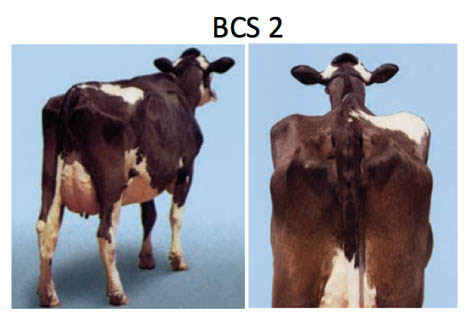
Dairy cows’ bodies are scored on a scale of 1 (emaciated) to 5 (obese), with 3 being a healthy medium. Bruck considered Snook’s cows to be “around a 1, some 2’s, maybe a 3 in there.” 

Itle said in April they looked to be in the 1 or 2 range – from “emaciated” to “poor” – but two weeks later said all could be classified as 1 to 1 ½.

Based on [merely watching a video], the defense’s [paid] veterinarian scored the cows in the 2 ½ to 3 range, “arguably perfect,” Beschen wrote.

Another veterinarian at Pasado’s graded the cows at 2 or 3, but on the beef cattle scale, which goes to 9. Dairy cows aren’t supposed to look like beef cows.


A "3" is considered to be ideal for the average dairy cow


Authorities need to make sure that the 'experts' they're relying on know what they're doing. If you use a dog and cat vet for a livestock case, yes, that vet took courses in college regarding livestock but likely for the last 20 years has not regularly examined or treated livestock. This vet should've known there are different body scoring systems, with different sets of numbers, for beef cattle, for dairy cows, for chickens, for sheep, for pigs, etc.

In court papers, Beschen pointed to a cow with a body score of 1 that won a dairy competition in Colorado, while Snook’s case was pending.

“As dairy cows can be tricky to assess, I’m glad there will be multiple sets of eyes on this issue,” Bruck wrote when he first tipped off inspectors about the farm.

Snook kept cows that were well beyond their prime milking age, and according to his attorney, one of the less healthy cows, Trixie, belonged to someone else, who had entrusted her to Snook to nurse her back to health. Trixie and two others were killed at the humane society’s direction in April, because they couldn’t rise without great difficulty, if at all. Trixie appeared to be “particularly emaciated,” according to the humane society.

Ten more were euthanized by Dr. Robert Holt, a Whatcom County veterinarian, when a blood test on one cow in that group came up positive for Johne’s Disease, an infectious chronic wasting disease present in an estimated 68 percent of U.S. dairy cattle herds.

Roxy, a pregnant cow seized by the Whatcom Humane Society, on 
April 26, 2017. She was among 12 cows who underwent blood tests 
for Johne’s disease in early May. One test came up positive, but 
was later proven to be negative by a more reliable fecal test, court
 records show. In the meantime, the cows were euthanized.


The disease can be fatal, eventually, but Holt wrote he saw no urgent need to kill these cows, or any of the dozen cows killed in May, according to court papers. He said he had been directed to do so by the humane society.

Most of the cows were euthanized May 9, the same day Snook petitioned to keep the cows from being killed. He beat the deadline to make that request by a day, according to Beschen.

A fecal test on the supposedly infected cow later came back negative for Johne’s. Fecal tests are considered the gold standard to test for the disease. No necropsies were performed on any of the cows.

“The Whatcom Humane Society made the difficult decision to euthanize many of the cow victims in this case due to their physical and medical conditions as well as their exposure to a highly contagious disease,” Clark said via email.

“We made the difficult decision based on the information we had at the time,” she added.

Legal Hang-ups

Whatcom County contracts through the Whatcom Humane Society for animal control, as do about half such agencies in the state, said Brian Boman, the president of the Washington Animal Control Association based in Pierce County. Other counties, like Pierce, run an animal control unit through their respective sheriff’s offices.

Animal control agencies often have to go through extra steps to collect and store evidence in cases of alleged neglect, for obvious reasons.

“Our evidence is alive and breathing, it needs to eat. … We have to treat it as evidence, because if we don’t treat it properly, we’re going to ruin our case,” Boman said. “We’ve had some animals in custody for six months (in Pierce County), regardless of the funding aspects, because that’s what we need to do.”

Washington state law requires animal control officers to complete training that’s “satisfactory to a judge” – a program like the National Animal Control and Humane Officer Training Academy, better known as NACHO; or Animal Control Training Services, ACTS, or the training Boman leads through the state association.

Cows on Seth Snook’s farm on March 29, 2017


Once the training is completed, a judge must re-authorize animal control officers every three years.

Whatcom Humane Society animal control officers received training, but missed deadlines to re-certify, starting as far back as 2010. Earlier this month, Superior Court Judge Deborra Garrett ruled the officers were certified moving forward. But she did not give a retroactive approval to officers who missed their deadlines, including Crowley.

Meanwhile, other past or current animal cruelty cases shouldn’t be affected by the oversight, said Eric Richey, the chief criminal deputy prosecutor.

Charges in Snook’s case were based on reports put together by the humane society and the state Department of Agriculture.

My Thoughts

Seth Snook is no angel. A year prior, animals were starving and dying and left to rot. He was given a "get out of jail free" card back then, probably due to the medical issues his wife was dealing with, and given an opportunity to make corrections and take better care of the animals. This is not unusual when dealing with livestock and farmers; it's their livelihood and like it or not, livestock animals such as chickens, pigs and cattle suffering is not seen as equal to a dog or cat suffering.

A year later, in March 2017, a farm loan manager was on the farm and saw horrific conditions - suffering and dead animals. The Department of Agriculture and Animal Control stepped in. 

Snook gave permission for a cow and calf that were dying to be shot. However, for some reason, Animal Control directed a veterinarian to shoot and kill 16 emaciated cows - even though the vet objected to it. In my opinion, if this vet disagreed s/he should have refused and left the property. 

Then Animal Control agreed to let Snook take his animals to auction. This was the best solution for all parties involved - including the animals. Snook missed a beef cattle auction on Monday, but had texted the animal control officer saying that he would instead take the dairy cows to a dairy auction that Wednesday -- just two days away. The officer told him that was fine and then they swooped in Wednesday morning with a search warrant and seized the cattle.

This was a HUGE mistake and should never have happened. It would be one thing if he'd refused to maintain contact with animal control or he'd been planning on hauling them to another jurisdiction to hide them. However, I would think that Snook would get more money for dairy cows, whatever shape they're in, at a diary auction rather than a beef auction. And it was only two more days. 

Animal control officer Rebecca Crowley heard through the grapevine that Snook was planning on selling his cows at auction only to buy them back. OK, so what? I can only imagine he would lose money on this hair-brained idea. If he was dumb enough to do this, he'd be bringing the same cows back to his property and would still be under intense scrutiny. 


So Crowley and Animal Control decide to secure a search warrant to seize the cows, which were being readied for transport to the dairy auction which was taking place later that day. They were in such a hurry to do this, apparently, that they broke the law which says that a certified law enforcement officer needed to be present on search warrants. Snook wasn't there when they showed up and loaded up his cows. They left a copy of the search warrant for him, but failed to leave a property receipt, which lists all the property removed.

Was a veterinarian on scene during the search warrant? You can't do a land grab and just take all the animals because you feel sorry for them or you don't think the owner 'deserves' them. You can only take the animals which are part of the cruelty case, animals that are evidence of animal cruelty. And, especially with livestock cases, a veterinarian is needed to determine body scores and physical health - and cherry pick the ones that need to be seized. As hard as it is, you have to leave animals behind sometimes. Unless, of course, you have a licensed veterinarian telling you to take them all - based on lack of food, dangerous living conditions, etc. This vet will be expected to defend this decision in the court case. 

So now you've got Snook's attorney arguing the merits of the seizure. He's hired his own defense vet, if you will, who watches video of the animals of the seizure and proclaims them healthy. This is speculative. To properly body score an animal, you have to put your hands on the animal, not watch some shaky video. This same vet hired by the defense did eventually do a hands-on exam on the cows, proclaiming them healthy - but only after the cows had been seized and properly fed for two months.

Then, we move on to the issue with Dr. Robert Holt. Tests were done on ONE cow that resulted in, what we now know was a false positive for Johne's disease. Despite Dr. Holt's objections, animal control ordered that the ten cows be shot and killed. Dr. Holt also claimed that he had objected to the previous group of cows being killed.

Snook had a deadline of May 10 to file a petition to try to convince a judge to stop the cows from being put down. He filed the papers on May 9th, the same day that most of the cows were killed. This really smells bad... the only way animal control could've killed the cows is if a vet made the medical decision that it was necessary to end their suffering. Well, the vet in question, Dr. Holt says he never agreed to this.

But, I also have to question whether Dr. Holt is being truthful at this point? Now he says he objected to it, but if he objected to it back when the cows were still alive, why did he kill (euthanize) them? If I were him, I'd have told Crowley, "I don't agree with this and I'm not putting them down. I'm not going to be a part of this" and I would've left. Why did Dr. Holt go ahead and kill them? Sure makes it seem like Dr. Holt is now just trying to save his own butt.


After killing all the cows suspected of harboring Johne's disease, fecal tests came back negative. No necropsies were done, which is needed to determine what diseases the cows had that might explain their poor physical condition. If nothing comes back with the necropsy results, then it would have had to have been because Snook starved them. However, because no necropsies were done, they left it open for the defense to argue that anything could have resulted in emaciated conditions of the cows - poison, cancer, etc. and the prosecution can't argue against it because they don't know either. 

Finally, the icing on the crap cake is that these animal control officers hadn't bothered to get themselves re-certified for more than seven years. That's like a police officer losing his/her certification but still making arrests. 

Like I said, Seth Snook is no angel. I believe he has, for years, starved and neglected his livestock animals and when they died, he left them to rot. They were means to make money. If he couldn't afford to feed them, oh well. When they died, oh well. He rebuffed assistance from the farming community and basically stuck his head in the sand and ignored the ever-worsening conditions and suffering he inflicted on his animals.


A cow on Seth Snook’s farm on March 29, 2017


This case turned sour when animal control broke the verbal (and text) contract by telling Snook he could sell them at the dairy auction and then seizing them within hours of the auction. From there, it just got worse and worse. 

As a result, Snook does not have to answer for his crimes - of which I'm sure he's guilty of (starving his animals, failing to provide needed veterinary care, proper disposal of dead animals). The still-surviving livestock animals were ordered returned to him and Snook has filed a lawsuit against the county. My guess is he will quietly receive a fairly decent sized settlement check - paid for by the taxpayers of Whatcom County for this clusterf**k of an investigation. 

The people in charge of this investigation need to be fired and the rest need to have extensive remedial training to prevent something like this from ever happening again. 

(The Bellingham Herald - July 30, 2017)

Earlier:

Friday, July 28, 2017

Florida: Judge throws out key evidence against Travis Archer, who's accused of beating his nine-month-old puppy to death

FLORIDA -- If prosecutors are going to convict a Ponce Inlet man accused of beating his dog to death, they are going to have to do it without key evidence, after a judge’s ruling on Wednesday.

Circuit Judge Kathryn Weston ruled that Ponce Inlet police officers could legally enter Travis Archer’s house without his consent because they believed the situation was an emergency involving a dog’s well-being.


However, she said that once they found the dog dead, officers should have stopped their investigation until they obtained a search warrant.

“The defendant himself advised Officer (Brandon) Bines that he had a dog, that the dog had bitten him, and that he had struck the dog two times. At that point, a reasonable person could conclude that there was an urgent and immediate need to check on the safety and well-being of the dog,” Weston wrote.

In a case that has attracted widespread attention from animal advocates, the 43-year-old Archer faces a charge of animal cruelty, a third-degree felony punishable by up to five years in prison. Archer was arrested shortly after midnight on April 8 after a neighbor called police to complain about what sounded like a dog being beaten.


Weston threw out evidence found after the officers located the dead dog in the back yard of the house on 76 Aurora Ave.

That means key evidence will not be admissible, including the dog’s body or the necropsy describing injuries to the dog or the cause of death, said defense attorney Aaron Delgado, who represents Archer.

“Without the evidence of the dog’s body how do you establish that the dog was killed in a cruel manner? And that’s the pivotal point that the state is going to have to contend with,” Delgado said. “How do you know the dog didn’t die of a heart attack?”


Prosecutors had already been dealt a setback when Weston ruled on July 18 with a Daytona Beach courtroom packed with protesters and media that Archer did not give a valid consent for officers to enter the house. Archer initially refused to let the two officers inside.

In making that ruling, Weston cited a comment by Bines, the officer on the call, who told Archer that he could either let officers in voluntarily or police could “go another route which would probably wind up not being good for you.”


Shannon Peters, the spokeswoman for the 7th Circuit State Attorney’s Office, declined to say in an email whether prosecutors would appeal Weston’s ruling to the 5th District Court of Appeal in Daytona Beach.

“We are reviewing the judge’s order and will determine appropriate action,” Peters wrote.

In trying to make the case that an emergency existed, Assistant State Attorney Erica Kane cited Brinkley v. Flagler County, in which officers - responding to a neighbor’s complaint - entered a person’s property without a warrant.


The officers had been overwhelmed by the smell of animal waste and saw the front yard was covered by animal feces.

The 5th DCA held that the officers were justified to enter without a warrant and Weston also cited that case in her ruling. It was the only case in the state Weston or the lawyers found dealing with an emergency exception to a search warrant dealing with animals.

Delgado argued at the hearing that the Brinkley case was significantly different from Archer’s.


Debbie Taylor Darino, one of the leaders of Justice For Ponce, the Facebook group with legions of members who are demanding that Archer be punished as severely as possible, said in a phone interview that a prosecutor told her the state would appeal. She declined to name the prosecutor.

Darino said the judge’s ruling hurts the case against Archer but at least she did not throw out all the evidence.

“It weakens the case but it’s not all bad. Had she granted the entire motion, we wouldn’t even have a case,” Darino said.


Prosecutors can still use body camera video in which Archer admits to hitting the dog after he said the dog tore up his house. The video also shows officers finding the dog’s body sprawled against a wooden fence. The dog’s mouth appears to be bloody.

Reaction to the ruling was mixed among Justice For Ponce members who are not familiar with the law but are focused on Archer’s punishment, Darino said.

“That’s all they care about: That they get justice for this dog because he died a terrible death,” Darino said.

POLICE BODYCAM VIDEO:


(Daytona Beach News-Journal - July 27, 2017)

Earlier: