OKLAHOMA -- A Lexington man is facing animal cruelty and neglect charges after Lexington Police and the ECI company have been called out numerous times for animals belonging to him roaming the streets of Lexington.
Gregory Snow, 45, of 677 W. Almond in Lexington and owner of Sundog Trails, has been charged in Cleveland County District Court with five counts of animal cruelty and neglect.
The charges stem from five head of cattle that were picked up by the Environmental Cleanup, Inc., (ECI) and checked by a veterinarian November 15.
According to Lexington Police Chief Deana Allen, during an eight month period from January 2016 to September 2016 dispatch received 10 animal at large complaints regarding the animals kept on Sundog and owned by Snow.
During a nine month period from February 2017 until present dispatch received 32 animal at large complaints regarding Snow’s animals kept on Sundog owned by Snow.
“Thus far, 37 municipal complaint citations have been filed against Mr. Snow in the Municipal Court of Lexington from May 2016 to present,” Allen said.
“Numerous properties along NW 5th Street have been damaged by Mr. Snow’s pigs, along with a vehicle being damaged when a pig pushed a poly cart into a resident’s vehicle,” she reported.
Dr. Sharon Marshall reported the cattle were in very poor condition saying each were in a condition of 1 or 2 in a condition report from 1-9 with 9 being good condition.
“After speaking with Dr. Marshall and the district attorney a search warrant was issued for Sundog Trails property to pick up the remaining cattle but they had been removed from that location.”
Four pigs remained on the property November 20 but were not picked up since Dr. Marshall said pigs will eat anything but cattle will not.
(Purcell Register - Dec 7, 2017)
Showing posts with label cattle. Show all posts
Showing posts with label cattle. Show all posts
Thursday, December 7, 2017
Sunday, August 27, 2017
Oregon: Crews rescue cow stuck in creek in Marion County
OREGON -- Marion County Fire crews responded to a call that they say "required a bit of a different strategy and thought process" Friday afternoon.
A cow named Marty had gone for a stroll in the local creek and became stuck.
Crews say he was in "a bit of a jam."
Fortunately, crews were able to get the cow out of the creek quickly!
Marty was unharmed.


(KATU - August 26, 2017)
A cow named Marty had gone for a stroll in the local creek and became stuck.
Crews say he was in "a bit of a jam."
Fortunately, crews were able to get the cow out of the creek quickly!
Marty was unharmed.


Sunday, August 20, 2017
Kansas: Pit bulls rip face and ears off of large bull and it may end up dying. Bull's owner says despite this, she still trusts Pit Bulls.
KANSAS -- Reed and Janet Olsen had groomed a bull from birth to take over their herd east of Brock as they transition into retirement, but a pit bull attack on Saturday has left the animal struggling for life.
Janet Olsen said she is not angry at a man who asked to keep the male and female pair of Pit Bull on the farm while he moved to another house, but said she feels it’s important to warn other cattle producers what the dogs can do.

Olsen: “It was teeth lacerations. His face is shredded. The jaw is gone, both sides of the jowls are ripped. He can’t keep feed in his mouth. He is drinking water, very painfully, so they didn’t get his tongue. It looks like most of the nose will slough off.”
He will die if his breathing does not improve and both of his ears are shredded.
OWNER FLED WITH VICIOUS PIT BULLS

The man washed the dogs off and left, telling Reed he was in a hurry to get going. Reed later saw blood on the fence posts of the pen and found the badly wounded bull.
Janet tried to piece together what triggered the attack.
Olsen: “One heifer and calf went through a separate fence and got away. When they went after the bull, it’s his nature to fight, so he didn’t run. So when he went to fight them, they attacked him.

The problem is there were two. When you have that one, they are always easy to get along with and they will play and they seem to be a better dog, but this was two. And, when one starts it, the other finishes it.”
Olsen said she and Reed are planning to retire and had worked for years to build the proper genetics into their herd. The polled Hereford bull, valued at $6,000, was expected to sire next spring’s calves.
“This particular bull is being groomed to take the herd over, so he’s a prized bull to us. He’s a registered bull with a good pedigree.”

The couple is following a veterinarian’s advice trying to save the bull’s life, but his health is deteriorating fast.
Reed said there are coyotes in the area which can be hunted without limit and without license in Nebraska, but typically will not attack a penned bovine. Reed said it’s because they hunt for food, rather than game, and they do not feel comfortable with their path of escape within a pipe fence.
He said he has also experienced an attack by a pack of five dogs on a cow before. In that case, the cow was wounded but her face was not torn off and she survived.

PIT BULL APOLOGIST
He said maybe a pit bull is more vicious than the other animals, but Janet said she has not lost trust in the breed of dog. She added, however, that now that the pair has tasted blood, it could be a child next time.
Um, Janet. How many other breeds of dogs can do this to a bull's face? Yes, other breeds of dogs can and do attack and maul calves, smaller livestock, but a 2,000 pound bull??
A report was filed with the Nemaha County Sheriff’s Office.
(ncn21.com - August 8, 2017)
Janet Olsen said she is not angry at a man who asked to keep the male and female pair of Pit Bull on the farm while he moved to another house, but said she feels it’s important to warn other cattle producers what the dogs can do.
Olsen: “It was teeth lacerations. His face is shredded. The jaw is gone, both sides of the jowls are ripped. He can’t keep feed in his mouth. He is drinking water, very painfully, so they didn’t get his tongue. It looks like most of the nose will slough off.”
He will die if his breathing does not improve and both of his ears are shredded.
OWNER FLED WITH VICIOUS PIT BULLS
Janet tried to piece together what triggered the attack.
The problem is there were two. When you have that one, they are always easy to get along with and they will play and they seem to be a better dog, but this was two. And, when one starts it, the other finishes it.”
Olsen said she and Reed are planning to retire and had worked for years to build the proper genetics into their herd. The polled Hereford bull, valued at $6,000, was expected to sire next spring’s calves.
“This particular bull is being groomed to take the herd over, so he’s a prized bull to us. He’s a registered bull with a good pedigree.”
The couple is following a veterinarian’s advice trying to save the bull’s life, but his health is deteriorating fast.
Reed said there are coyotes in the area which can be hunted without limit and without license in Nebraska, but typically will not attack a penned bovine. Reed said it’s because they hunt for food, rather than game, and they do not feel comfortable with their path of escape within a pipe fence.
He said he has also experienced an attack by a pack of five dogs on a cow before. In that case, the cow was wounded but her face was not torn off and she survived.
PIT BULL APOLOGIST
He said maybe a pit bull is more vicious than the other animals, but Janet said she has not lost trust in the breed of dog. She added, however, that now that the pair has tasted blood, it could be a child next time.
Um, Janet. How many other breeds of dogs can do this to a bull's face? Yes, other breeds of dogs can and do attack and maul calves, smaller livestock, but a 2,000 pound bull??
A report was filed with the Nemaha County Sheriff’s Office.
(ncn21.com - August 8, 2017)
Sunday, July 30, 2017
Washington: Ferndale cow cruelty case against Seth Snook doomed by animal control missteps; farmer sues county
WASHINGTON -- Animal control officers in Whatcom County worked without legal authority from 2010 to 2017, an oversight that crippled an animal neglect case against a Ferndale dairy farmer, who was accused of starving his cows.
All felony charges against Seth Daniel Snook were either dropped or deferred, and his attorney maintains the cows at Snook Brook Farms weren’t starving.

Snook’s lawyer, Emily Beschen, argues that the Whatcom Humane Society committed a series of blunders by failing to renew a Superior Court authorization to act as animal control, carrying out an illegal warrant, and destroying the living evidence – the cows, many of which were shot in the head based on one cow’s false-positive test for an infectious disease.
Snook has filed a lawsuit against Whatcom County and the humane society in U.S. District Court for defamation and 18 other alleged injustices.
Public records obtained by The Bellingham Herald tell the story of how the case fell apart. Snook declined an interview for this article.
The Farm
Snook’s dairy came to the attention of animal control in late March, when a farm loan manager, Houston Bruck, tipped off an agriculture investigator in an email about conditions: “Poor feed, poor conditions, animals dying – not good,” Bruck wrote.
Snook, 35, said he fell on hard times when his wife underwent cranial surgery in summer 2016. He was left to care for her, their three daughters and the farm at 6804 Kickerville Road, where Snook’s mother makes cheese under the Pleasant Valley Dairy brand.

Snook fell behind on debt payments. Animals died on the farm, and went weeks without getting buried.
Records show Snook had been warned about the need to bury dead livestock, to prevent the spread of disease, when inspectors found “mortalities present” on the farm two years earlier. He was not cited then.
Bruck took photos of three fresh carcasses in Snook’s barn in March 2017.
Other farmers also noticed the conditions on the farm, because its manure runoff was polluting ditches and Terrell Creek, a hazard to salmon, shellfish and beaches at a nearby state park.
Some concerned farmers offered help, or even to buy the dairy. They noted the farm itself was in poor condition, but did not see any signs of outright animal cruelty, according to Whatcom Family Farmers, a farm advocacy group. Snook refused to sell the farm.
By Spring 2017, Snook’s cows lived in unsanitary conditions, on a barn floor of sawdust compacted with manure, according to reports by Dr. Amber Itle, a field veterinarian with the state Department of Agriculture. Cows could wander into an unfenced manure lagoon, a sanitation and safety concern, Itle wrote.

All 25 cows – old and young, weak and strong – were mixed together, competing for low-quality, low-protein hay bales that seemed good enough for bedding, but not for a good diet. Dairy cows produce milk even if it harms their health, Itle wrote. Without a diet rich in fat and protein, they can starve on full stomachs.
Animal control officers stepped in to help feed the cows in April.
Itle said four of Snook’s cattle were in such poor shape they should be euthanized. Snook’s attorney doesn’t dispute that a few cows were too thin. Perhaps five had medical reasons that could justify euthanasia, Beschen said, but state law says the owner and a licensed veterinarian should be consulted, “whenever possible.”
Snook gave permission on April 17 for animal control to kill one cow, Babs, who couldn’t lift herself up. He surrendered another sick calf, Becky, who is still alive. Sixteen more were killed at the direction of the humane society without Snook’s input, and in most cases without an endorsement from the veterinarian who shot them.

Warrant Issues
Just before the cattle were seized by animal control, Itle gave Snook three options: sell them; gift the cows to another dairy; or allow routine check-ins from a nutritionist, a veterinarian and animal control. He agreed to sell. The cows were prized Jerseys and Holsteins with good genes, Beschen said.
“He would give them away before he would sell them for meat,” the attorney said.
Nonetheless, Itle advised the cows should go to slaughter.
Snook missed a beef cattle auction in Everson on a Monday in April. He messaged an animal control officer that he would go to the dairy auction that Wednesday so his cows could land in a dairy, and not in a hamburger.
Text messages in the court record show animal control Sgt. Rebecca Crowley replied to Snook, “Yes that’s fine.”

Hours before the dairy auction, however, 23 cows were taken without warning, while Snook worked a graveyard shift at a new non-farming job.
Asked why the deal was broken, humane society director Laura Clark said animal control “remained concerned about the fragile physical condition of the cow victims and their ability to be safely transported and housed at the auction.”
Crowley’s undated report cites anonymous sources who told her Snook planned to sell the cows at auction and buy them back. Crowley feared the cows wouldn’t survive being transported twice, she wrote, and returning the cows to the Snook farm would mean “sealing their fate to be starved to death.” She reported Snook later confirmed that was his plan. Beschen said he misinterpreted the reason he’d been told to sell. Snook thought it was about a lien, Beschen said, not law enforcement.
Records are scarce from the night Crowley executed the warrant. There were no reports from the Whatcom County Sheriff’s Office, because deputies were not present at the scene, a violation of the state law that spells out the powers of animal control officers.

Animal control can serve warrants, the law says, but [because they are not certified officers] only if a sheriff’s deputy or a police officer is present. Snook wasn’t provided an evidence inventory receipt - which lists all the property seized from the suspect.
As a result, Snook had no documents to show the cows’ condition at the time of seizure.
“I have never (heard) of something like this done under cover of darkness,” Snook texted Crowley, after he came home to find his cows gone.
Starving, or ‘Arguably Perfect?’
Six of the cows were sent to Pasado’s Safe Haven in Monroe, an animal sanctuary. Two of those were the subject of animal cruelty charges. All six are still alive.
Videos of the cows were taken within two days of seizure. A veterinarian hired by Snook’s defense watched the footage, inspected the cows in person in June, and found they were in almost perfect condition both times.
To be fair, Snook's vet that he hired inspected the cows after they'd been receiving rehabilitative care for two months. Also, you cannot watch a video and determine the health of an animal - it requires hands-on inspection.
Animal control officers painted a far different picture.
“At least 28 animals have been starved and some have starved to death by Mr. Snook,” charging papers state, based on Crowley’s report.
Dairy cows’ bodies are scored on a scale of 1 (emaciated) to 5 (obese), with 3 being a healthy medium. Bruck considered Snook’s cows to be “around a 1, some 2’s, maybe a 3 in there.”
Itle said in April they looked to be in the 1 or 2 range – from “emaciated” to “poor” – but two weeks later said all could be classified as 1 to 1 ½.
Based on [merely watching a video], the defense’s [paid] veterinarian scored the cows in the 2 ½ to 3 range, “arguably perfect,” Beschen wrote.
Another veterinarian at Pasado’s graded the cows at 2 or 3, but on the beef cattle scale, which goes to 9. Dairy cows aren’t supposed to look like beef cows.

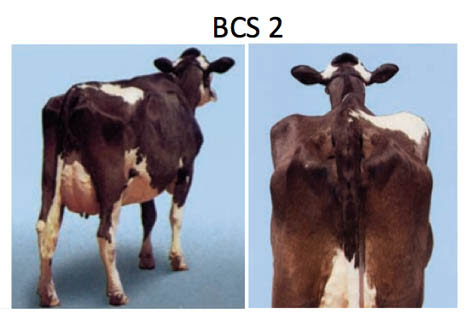

Authorities need to make sure that the 'experts' they're relying on know what they're doing. If you use a dog and cat vet for a livestock case, yes, that vet took courses in college regarding livestock but likely for the last 20 years has not regularly examined or treated livestock. This vet should've known there are different body scoring systems, with different sets of numbers, for beef cattle, for dairy cows, for chickens, for sheep, for pigs, etc.
In court papers, Beschen pointed to a cow with a body score of 1 that won a dairy competition in Colorado, while Snook’s case was pending.
“As dairy cows can be tricky to assess, I’m glad there will be multiple sets of eyes on this issue,” Bruck wrote when he first tipped off inspectors about the farm.
Snook kept cows that were well beyond their prime milking age, and according to his attorney, one of the less healthy cows, Trixie, belonged to someone else, who had entrusted her to Snook to nurse her back to health. Trixie and two others were killed at the humane society’s direction in April, because they couldn’t rise without great difficulty, if at all. Trixie appeared to be “particularly emaciated,” according to the humane society.
Ten more were euthanized by Dr. Robert Holt, a Whatcom County veterinarian, when a blood test on one cow in that group came up positive for Johne’s Disease, an infectious chronic wasting disease present in an estimated 68 percent of U.S. dairy cattle herds.

The disease can be fatal, eventually, but Holt wrote he saw no urgent need to kill these cows, or any of the dozen cows killed in May, according to court papers. He said he had been directed to do so by the humane society.
Most of the cows were euthanized May 9, the same day Snook petitioned to keep the cows from being killed. He beat the deadline to make that request by a day, according to Beschen.
A fecal test on the supposedly infected cow later came back negative for Johne’s. Fecal tests are considered the gold standard to test for the disease. No necropsies were performed on any of the cows.
“The Whatcom Humane Society made the difficult decision to euthanize many of the cow victims in this case due to their physical and medical conditions as well as their exposure to a highly contagious disease,” Clark said via email.
“We made the difficult decision based on the information we had at the time,” she added.
Legal Hang-ups
Whatcom County contracts through the Whatcom Humane Society for animal control, as do about half such agencies in the state, said Brian Boman, the president of the Washington Animal Control Association based in Pierce County. Other counties, like Pierce, run an animal control unit through their respective sheriff’s offices.
Animal control agencies often have to go through extra steps to collect and store evidence in cases of alleged neglect, for obvious reasons.
“Our evidence is alive and breathing, it needs to eat. … We have to treat it as evidence, because if we don’t treat it properly, we’re going to ruin our case,” Boman said. “We’ve had some animals in custody for six months (in Pierce County), regardless of the funding aspects, because that’s what we need to do.”
Washington state law requires animal control officers to complete training that’s “satisfactory to a judge” – a program like the National Animal Control and Humane Officer Training Academy, better known as NACHO; or Animal Control Training Services, ACTS, or the training Boman leads through the state association.

Once the training is completed, a judge must re-authorize animal control officers every three years.
Whatcom Humane Society animal control officers received training, but missed deadlines to re-certify, starting as far back as 2010. Earlier this month, Superior Court Judge Deborra Garrett ruled the officers were certified moving forward. But she did not give a retroactive approval to officers who missed their deadlines, including Crowley.
Meanwhile, other past or current animal cruelty cases shouldn’t be affected by the oversight, said Eric Richey, the chief criminal deputy prosecutor.
Charges in Snook’s case were based on reports put together by the humane society and the state Department of Agriculture.
My Thoughts
Seth Snook is no angel. A year prior, animals were starving and dying and left to rot. He was given a "get out of jail free" card back then, probably due to the medical issues his wife was dealing with, and given an opportunity to make corrections and take better care of the animals. This is not unusual when dealing with livestock and farmers; it's their livelihood and like it or not, livestock animals such as chickens, pigs and cattle suffering is not seen as equal to a dog or cat suffering.
A year later, in March 2017, a farm loan manager was on the farm and saw horrific conditions - suffering and dead animals. The Department of Agriculture and Animal Control stepped in.
Snook gave permission for a cow and calf that were dying to be shot. However, for some reason, Animal Control directed a veterinarian to shoot and kill 16 emaciated cows - even though the vet objected to it. In my opinion, if this vet disagreed s/he should have refused and left the property.
Then Animal Control agreed to let Snook take his animals to auction. This was the best solution for all parties involved - including the animals. Snook missed a beef cattle auction on Monday, but had texted the animal control officer saying that he would instead take the dairy cows to a dairy auction that Wednesday -- just two days away. The officer told him that was fine and then they swooped in Wednesday morning with a search warrant and seized the cattle.
This was a HUGE mistake and should never have happened. It would be one thing if he'd refused to maintain contact with animal control or he'd been planning on hauling them to another jurisdiction to hide them. However, I would think that Snook would get more money for dairy cows, whatever shape they're in, at a diary auction rather than a beef auction. And it was only two more days.
Animal control officer Rebecca Crowley heard through the grapevine that Snook was planning on selling his cows at auction only to buy them back. OK, so what? I can only imagine he would lose money on this hair-brained idea. If he was dumb enough to do this, he'd be bringing the same cows back to his property and would still be under intense scrutiny.
So Crowley and Animal Control decide to secure a search warrant to seize the cows, which were being readied for transport to the dairy auction which was taking place later that day. They were in such a hurry to do this, apparently, that they broke the law which says that a certified law enforcement officer needed to be present on search warrants. Snook wasn't there when they showed up and loaded up his cows. They left a copy of the search warrant for him, but failed to leave a property receipt, which lists all the property removed.
Was a veterinarian on scene during the search warrant? You can't do a land grab and just take all the animals because you feel sorry for them or you don't think the owner 'deserves' them. You can only take the animals which are part of the cruelty case, animals that are evidence of animal cruelty. And, especially with livestock cases, a veterinarian is needed to determine body scores and physical health - and cherry pick the ones that need to be seized. As hard as it is, you have to leave animals behind sometimes. Unless, of course, you have a licensed veterinarian telling you to take them all - based on lack of food, dangerous living conditions, etc. This vet will be expected to defend this decision in the court case.
So now you've got Snook's attorney arguing the merits of the seizure. He's hired his own defense vet, if you will, who watches video of the animals of the seizure and proclaims them healthy. This is speculative. To properly body score an animal, you have to put your hands on the animal, not watch some shaky video. This same vet hired by the defense did eventually do a hands-on exam on the cows, proclaiming them healthy - but only after the cows had been seized and properly fed for two months.
Then, we move on to the issue with Dr. Robert Holt. Tests were done on ONE cow that resulted in, what we now know was a false positive for Johne's disease. Despite Dr. Holt's objections, animal control ordered that the ten cows be shot and killed. Dr. Holt also claimed that he had objected to the previous group of cows being killed.
Snook had a deadline of May 10 to file a petition to try to convince a judge to stop the cows from being put down. He filed the papers on May 9th, the same day that most of the cows were killed. This really smells bad... the only way animal control could've killed the cows is if a vet made the medical decision that it was necessary to end their suffering. Well, the vet in question, Dr. Holt says he never agreed to this.
But, I also have to question whether Dr. Holt is being truthful at this point? Now he says he objected to it, but if he objected to it back when the cows were still alive, why did he kill (euthanize) them? If I were him, I'd have told Crowley, "I don't agree with this and I'm not putting them down. I'm not going to be a part of this" and I would've left. Why did Dr. Holt go ahead and kill them? Sure makes it seem like Dr. Holt is now just trying to save his own butt.

After killing all the cows suspected of harboring Johne's disease, fecal tests came back negative. No necropsies were done, which is needed to determine what diseases the cows had that might explain their poor physical condition. If nothing comes back with the necropsy results, then it would have had to have been because Snook starved them. However, because no necropsies were done, they left it open for the defense to argue that anything could have resulted in emaciated conditions of the cows - poison, cancer, etc. and the prosecution can't argue against it because they don't know either.
Finally, the icing on the crap cake is that these animal control officers hadn't bothered to get themselves re-certified for more than seven years. That's like a police officer losing his/her certification but still making arrests.
Like I said, Seth Snook is no angel. I believe he has, for years, starved and neglected his livestock animals and when they died, he left them to rot. They were means to make money. If he couldn't afford to feed them, oh well. When they died, oh well. He rebuffed assistance from the farming community and basically stuck his head in the sand and ignored the ever-worsening conditions and suffering he inflicted on his animals.
This case turned sour when animal control broke the verbal (and text) contract by telling Snook he could sell them at the dairy auction and then seizing them within hours of the auction. From there, it just got worse and worse.
As a result, Snook does not have to answer for his crimes - of which I'm sure he's guilty of (starving his animals, failing to provide needed veterinary care, proper disposal of dead animals). The still-surviving livestock animals were ordered returned to him and Snook has filed a lawsuit against the county. My guess is he will quietly receive a fairly decent sized settlement check - paid for by the taxpayers of Whatcom County for this clusterf**k of an investigation.
The people in charge of this investigation need to be fired and the rest need to have extensive remedial training to prevent something like this from ever happening again.
(The Bellingham Herald - July 30, 2017)
Earlier:
All felony charges against Seth Daniel Snook were either dropped or deferred, and his attorney maintains the cows at Snook Brook Farms weren’t starving.
Snook’s lawyer, Emily Beschen, argues that the Whatcom Humane Society committed a series of blunders by failing to renew a Superior Court authorization to act as animal control, carrying out an illegal warrant, and destroying the living evidence – the cows, many of which were shot in the head based on one cow’s false-positive test for an infectious disease.
Snook has filed a lawsuit against Whatcom County and the humane society in U.S. District Court for defamation and 18 other alleged injustices.
Public records obtained by The Bellingham Herald tell the story of how the case fell apart. Snook declined an interview for this article.
The Farm
Snook’s dairy came to the attention of animal control in late March, when a farm loan manager, Houston Bruck, tipped off an agriculture investigator in an email about conditions: “Poor feed, poor conditions, animals dying – not good,” Bruck wrote.
Snook, 35, said he fell on hard times when his wife underwent cranial surgery in summer 2016. He was left to care for her, their three daughters and the farm at 6804 Kickerville Road, where Snook’s mother makes cheese under the Pleasant Valley Dairy brand.
Snook fell behind on debt payments. Animals died on the farm, and went weeks without getting buried.
Records show Snook had been warned about the need to bury dead livestock, to prevent the spread of disease, when inspectors found “mortalities present” on the farm two years earlier. He was not cited then.
Bruck took photos of three fresh carcasses in Snook’s barn in March 2017.
Other farmers also noticed the conditions on the farm, because its manure runoff was polluting ditches and Terrell Creek, a hazard to salmon, shellfish and beaches at a nearby state park.
Some concerned farmers offered help, or even to buy the dairy. They noted the farm itself was in poor condition, but did not see any signs of outright animal cruelty, according to Whatcom Family Farmers, a farm advocacy group. Snook refused to sell the farm.
By Spring 2017, Snook’s cows lived in unsanitary conditions, on a barn floor of sawdust compacted with manure, according to reports by Dr. Amber Itle, a field veterinarian with the state Department of Agriculture. Cows could wander into an unfenced manure lagoon, a sanitation and safety concern, Itle wrote.
Animal control officers stepped in to help feed the cows in April.
Itle said four of Snook’s cattle were in such poor shape they should be euthanized. Snook’s attorney doesn’t dispute that a few cows were too thin. Perhaps five had medical reasons that could justify euthanasia, Beschen said, but state law says the owner and a licensed veterinarian should be consulted, “whenever possible.”
Snook gave permission on April 17 for animal control to kill one cow, Babs, who couldn’t lift herself up. He surrendered another sick calf, Becky, who is still alive. Sixteen more were killed at the direction of the humane society without Snook’s input, and in most cases without an endorsement from the veterinarian who shot them.
Warrant Issues
Just before the cattle were seized by animal control, Itle gave Snook three options: sell them; gift the cows to another dairy; or allow routine check-ins from a nutritionist, a veterinarian and animal control. He agreed to sell. The cows were prized Jerseys and Holsteins with good genes, Beschen said.
“He would give them away before he would sell them for meat,” the attorney said.
Nonetheless, Itle advised the cows should go to slaughter.
Snook missed a beef cattle auction in Everson on a Monday in April. He messaged an animal control officer that he would go to the dairy auction that Wednesday so his cows could land in a dairy, and not in a hamburger.
Text messages in the court record show animal control Sgt. Rebecca Crowley replied to Snook, “Yes that’s fine.”
Hours before the dairy auction, however, 23 cows were taken without warning, while Snook worked a graveyard shift at a new non-farming job.
Asked why the deal was broken, humane society director Laura Clark said animal control “remained concerned about the fragile physical condition of the cow victims and their ability to be safely transported and housed at the auction.”
Crowley’s undated report cites anonymous sources who told her Snook planned to sell the cows at auction and buy them back. Crowley feared the cows wouldn’t survive being transported twice, she wrote, and returning the cows to the Snook farm would mean “sealing their fate to be starved to death.” She reported Snook later confirmed that was his plan. Beschen said he misinterpreted the reason he’d been told to sell. Snook thought it was about a lien, Beschen said, not law enforcement.
Records are scarce from the night Crowley executed the warrant. There were no reports from the Whatcom County Sheriff’s Office, because deputies were not present at the scene, a violation of the state law that spells out the powers of animal control officers.
A cow on Seth Snook’s farm on March 29, 2017
Animal control can serve warrants, the law says, but [because they are not certified officers] only if a sheriff’s deputy or a police officer is present. Snook wasn’t provided an evidence inventory receipt - which lists all the property seized from the suspect.
As a result, Snook had no documents to show the cows’ condition at the time of seizure.
“I have never (heard) of something like this done under cover of darkness,” Snook texted Crowley, after he came home to find his cows gone.
Starving, or ‘Arguably Perfect?’
Six of the cows were sent to Pasado’s Safe Haven in Monroe, an animal sanctuary. Two of those were the subject of animal cruelty charges. All six are still alive.
Videos of the cows were taken within two days of seizure. A veterinarian hired by Snook’s defense watched the footage, inspected the cows in person in June, and found they were in almost perfect condition both times.
To be fair, Snook's vet that he hired inspected the cows after they'd been receiving rehabilitative care for two months. Also, you cannot watch a video and determine the health of an animal - it requires hands-on inspection.
Animal control officers painted a far different picture.
“At least 28 animals have been starved and some have starved to death by Mr. Snook,” charging papers state, based on Crowley’s report.
Dairy cows’ bodies are scored on a scale of 1 (emaciated) to 5 (obese), with 3 being a healthy medium. Bruck considered Snook’s cows to be “around a 1, some 2’s, maybe a 3 in there.”
Itle said in April they looked to be in the 1 or 2 range – from “emaciated” to “poor” – but two weeks later said all could be classified as 1 to 1 ½.
Based on [merely watching a video], the defense’s [paid] veterinarian scored the cows in the 2 ½ to 3 range, “arguably perfect,” Beschen wrote.
Another veterinarian at Pasado’s graded the cows at 2 or 3, but on the beef cattle scale, which goes to 9. Dairy cows aren’t supposed to look like beef cows.
A "3" is considered to be ideal for the average dairy cow
Authorities need to make sure that the 'experts' they're relying on know what they're doing. If you use a dog and cat vet for a livestock case, yes, that vet took courses in college regarding livestock but likely for the last 20 years has not regularly examined or treated livestock. This vet should've known there are different body scoring systems, with different sets of numbers, for beef cattle, for dairy cows, for chickens, for sheep, for pigs, etc.
“As dairy cows can be tricky to assess, I’m glad there will be multiple sets of eyes on this issue,” Bruck wrote when he first tipped off inspectors about the farm.
Snook kept cows that were well beyond their prime milking age, and according to his attorney, one of the less healthy cows, Trixie, belonged to someone else, who had entrusted her to Snook to nurse her back to health. Trixie and two others were killed at the humane society’s direction in April, because they couldn’t rise without great difficulty, if at all. Trixie appeared to be “particularly emaciated,” according to the humane society.
Ten more were euthanized by Dr. Robert Holt, a Whatcom County veterinarian, when a blood test on one cow in that group came up positive for Johne’s Disease, an infectious chronic wasting disease present in an estimated 68 percent of U.S. dairy cattle herds.
Roxy, a pregnant cow seized by the Whatcom Humane Society, on
April 26, 2017. She was among 12 cows who underwent blood tests
for Johne’s disease in early May. One test came up positive, but
was later proven to be negative by a more reliable fecal test, court
records show. In the meantime, the cows were euthanized.
The disease can be fatal, eventually, but Holt wrote he saw no urgent need to kill these cows, or any of the dozen cows killed in May, according to court papers. He said he had been directed to do so by the humane society.
Most of the cows were euthanized May 9, the same day Snook petitioned to keep the cows from being killed. He beat the deadline to make that request by a day, according to Beschen.
A fecal test on the supposedly infected cow later came back negative for Johne’s. Fecal tests are considered the gold standard to test for the disease. No necropsies were performed on any of the cows.
“The Whatcom Humane Society made the difficult decision to euthanize many of the cow victims in this case due to their physical and medical conditions as well as their exposure to a highly contagious disease,” Clark said via email.
“We made the difficult decision based on the information we had at the time,” she added.
Legal Hang-ups
Whatcom County contracts through the Whatcom Humane Society for animal control, as do about half such agencies in the state, said Brian Boman, the president of the Washington Animal Control Association based in Pierce County. Other counties, like Pierce, run an animal control unit through their respective sheriff’s offices.
Animal control agencies often have to go through extra steps to collect and store evidence in cases of alleged neglect, for obvious reasons.
“Our evidence is alive and breathing, it needs to eat. … We have to treat it as evidence, because if we don’t treat it properly, we’re going to ruin our case,” Boman said. “We’ve had some animals in custody for six months (in Pierce County), regardless of the funding aspects, because that’s what we need to do.”
Washington state law requires animal control officers to complete training that’s “satisfactory to a judge” – a program like the National Animal Control and Humane Officer Training Academy, better known as NACHO; or Animal Control Training Services, ACTS, or the training Boman leads through the state association.
Cows on Seth Snook’s farm on March 29, 2017
Once the training is completed, a judge must re-authorize animal control officers every three years.
Whatcom Humane Society animal control officers received training, but missed deadlines to re-certify, starting as far back as 2010. Earlier this month, Superior Court Judge Deborra Garrett ruled the officers were certified moving forward. But she did not give a retroactive approval to officers who missed their deadlines, including Crowley.
Meanwhile, other past or current animal cruelty cases shouldn’t be affected by the oversight, said Eric Richey, the chief criminal deputy prosecutor.
Charges in Snook’s case were based on reports put together by the humane society and the state Department of Agriculture.
My Thoughts
Seth Snook is no angel. A year prior, animals were starving and dying and left to rot. He was given a "get out of jail free" card back then, probably due to the medical issues his wife was dealing with, and given an opportunity to make corrections and take better care of the animals. This is not unusual when dealing with livestock and farmers; it's their livelihood and like it or not, livestock animals such as chickens, pigs and cattle suffering is not seen as equal to a dog or cat suffering.
A year later, in March 2017, a farm loan manager was on the farm and saw horrific conditions - suffering and dead animals. The Department of Agriculture and Animal Control stepped in.
Snook gave permission for a cow and calf that were dying to be shot. However, for some reason, Animal Control directed a veterinarian to shoot and kill 16 emaciated cows - even though the vet objected to it. In my opinion, if this vet disagreed s/he should have refused and left the property.
Then Animal Control agreed to let Snook take his animals to auction. This was the best solution for all parties involved - including the animals. Snook missed a beef cattle auction on Monday, but had texted the animal control officer saying that he would instead take the dairy cows to a dairy auction that Wednesday -- just two days away. The officer told him that was fine and then they swooped in Wednesday morning with a search warrant and seized the cattle.
This was a HUGE mistake and should never have happened. It would be one thing if he'd refused to maintain contact with animal control or he'd been planning on hauling them to another jurisdiction to hide them. However, I would think that Snook would get more money for dairy cows, whatever shape they're in, at a diary auction rather than a beef auction. And it was only two more days.
Animal control officer Rebecca Crowley heard through the grapevine that Snook was planning on selling his cows at auction only to buy them back. OK, so what? I can only imagine he would lose money on this hair-brained idea. If he was dumb enough to do this, he'd be bringing the same cows back to his property and would still be under intense scrutiny.
So Crowley and Animal Control decide to secure a search warrant to seize the cows, which were being readied for transport to the dairy auction which was taking place later that day. They were in such a hurry to do this, apparently, that they broke the law which says that a certified law enforcement officer needed to be present on search warrants. Snook wasn't there when they showed up and loaded up his cows. They left a copy of the search warrant for him, but failed to leave a property receipt, which lists all the property removed.
Was a veterinarian on scene during the search warrant? You can't do a land grab and just take all the animals because you feel sorry for them or you don't think the owner 'deserves' them. You can only take the animals which are part of the cruelty case, animals that are evidence of animal cruelty. And, especially with livestock cases, a veterinarian is needed to determine body scores and physical health - and cherry pick the ones that need to be seized. As hard as it is, you have to leave animals behind sometimes. Unless, of course, you have a licensed veterinarian telling you to take them all - based on lack of food, dangerous living conditions, etc. This vet will be expected to defend this decision in the court case.
So now you've got Snook's attorney arguing the merits of the seizure. He's hired his own defense vet, if you will, who watches video of the animals of the seizure and proclaims them healthy. This is speculative. To properly body score an animal, you have to put your hands on the animal, not watch some shaky video. This same vet hired by the defense did eventually do a hands-on exam on the cows, proclaiming them healthy - but only after the cows had been seized and properly fed for two months.
Then, we move on to the issue with Dr. Robert Holt. Tests were done on ONE cow that resulted in, what we now know was a false positive for Johne's disease. Despite Dr. Holt's objections, animal control ordered that the ten cows be shot and killed. Dr. Holt also claimed that he had objected to the previous group of cows being killed.
Snook had a deadline of May 10 to file a petition to try to convince a judge to stop the cows from being put down. He filed the papers on May 9th, the same day that most of the cows were killed. This really smells bad... the only way animal control could've killed the cows is if a vet made the medical decision that it was necessary to end their suffering. Well, the vet in question, Dr. Holt says he never agreed to this.
But, I also have to question whether Dr. Holt is being truthful at this point? Now he says he objected to it, but if he objected to it back when the cows were still alive, why did he kill (euthanize) them? If I were him, I'd have told Crowley, "I don't agree with this and I'm not putting them down. I'm not going to be a part of this" and I would've left. Why did Dr. Holt go ahead and kill them? Sure makes it seem like Dr. Holt is now just trying to save his own butt.
After killing all the cows suspected of harboring Johne's disease, fecal tests came back negative. No necropsies were done, which is needed to determine what diseases the cows had that might explain their poor physical condition. If nothing comes back with the necropsy results, then it would have had to have been because Snook starved them. However, because no necropsies were done, they left it open for the defense to argue that anything could have resulted in emaciated conditions of the cows - poison, cancer, etc. and the prosecution can't argue against it because they don't know either.
Finally, the icing on the crap cake is that these animal control officers hadn't bothered to get themselves re-certified for more than seven years. That's like a police officer losing his/her certification but still making arrests.
Like I said, Seth Snook is no angel. I believe he has, for years, starved and neglected his livestock animals and when they died, he left them to rot. They were means to make money. If he couldn't afford to feed them, oh well. When they died, oh well. He rebuffed assistance from the farming community and basically stuck his head in the sand and ignored the ever-worsening conditions and suffering he inflicted on his animals.
A cow on Seth Snook’s farm on March 29, 2017
This case turned sour when animal control broke the verbal (and text) contract by telling Snook he could sell them at the dairy auction and then seizing them within hours of the auction. From there, it just got worse and worse.
As a result, Snook does not have to answer for his crimes - of which I'm sure he's guilty of (starving his animals, failing to provide needed veterinary care, proper disposal of dead animals). The still-surviving livestock animals were ordered returned to him and Snook has filed a lawsuit against the county. My guess is he will quietly receive a fairly decent sized settlement check - paid for by the taxpayers of Whatcom County for this clusterf**k of an investigation.
The people in charge of this investigation need to be fired and the rest need to have extensive remedial training to prevent something like this from ever happening again.
Earlier:
- Washington: Seth Snook, owner of Snook Brook Farms who sells cheese under the name Pleasant Valley Dairy, starved dozens of animals to death, say police
- Washington: Seth Snook, who sells "artisan cheese" under the name Pleasant Valley Dairy, starved dozens of livestock animals to death. He was given a deal that will wipe his animal cruelty charges off his record; was also given his surviving livestock back so he can finish starving them to death
Tuesday, July 18, 2017
Florida: Ramon Gonzalez, 53, arrested and charged with felony animal cruelty after starving his livestock animals
FLORIDA -- A 53-year-old Sarasota man faces criminal charges after deputies received a tip about two cows “that appeared to be starving.”
An investigation into the complaint led to the discovery of four cows, two horses, a miniature horse and a donkey that were all underweight, according to the Sarasota County Sheriff’s Office.

The investigation into the condition of Ramon Gonzalez’s livestock began in June after a deputy went to the man’s property in the 300 block of Sinclair Drive to look into the complaint.
The deputy noted the animals appeared to be “severely underweight,” an arrest report said.
Two round bales of hay were observed on the property, but the deputy noted the animals weren’t eating it.
“The hay appeared to be old and looked moldy and of poor quality,” the arrest report said.

A veterinarian was called out to the scene and told the deputy, “This is nothing but lack of groceries, they just need food,” the report said.
When questioned, authorities say Gonzalez claimed he had been suffering from financial difficulties and was living at the location temporarily until he could find more suitable property to house his animals.
Based on the “observations and investigation,” however, Gonzalez was charged with felony animal cruelty and misdemeanor counts of failure to act and failure to provide sustenance, the arrest report said.

Gonzalez was arrested on July 6 and was later released on $2,000 bond.
The sheriff’s office said Gonzalez’s animals were confiscated on June 17 and have since been transferred out for rehabilitation.
Name: Ramon Gonzalez
Address: 340 Sinclair Drive, Sarasota, FL
Birthdate: 08/25/1963
SOME CHOICE FACEBOOK COMMENTS
Heather Lynn Buck - You want to know what makes me sick, reading all of these hurtful comments. Little do you guys know this man right here cares deeply for his animals. He NEVER starved his animals like they claim that he did. They were all taken care of. The horse that is shown was sick prior to him getting the horse, I like how they didn't put that in there. Also don't you realize that the goats that are in picture weren't taken but they added them to the picture yeah because they don't have a reason to take them. If he was such a scumbag why would they leave them there?! Also left was a cat, a turkey, chickens and pigs. You want to know why they took those animals because they can "rehome" and make money off of them. Connect the dots here people. The only reason the police came in the first place was because of a noise complaint from the neighbors regarding the chickens that where on the property. Yes some of the animals where slightly under weight but by no means were they ever starved. He is not a bad guy like you all are making him out to be. And just so you all know he has a young child who love those animals dearly and has been heartbroken for days since they took them. You do not know the whole situation you just read an article and instantly believe. He is a father whose children see what nasty things you are writing. He is a human being who does not deserve to have his name slandered like this. Oh and not to mention when they were gathering all of the animals they couldn't even round them up, he had to put them into the trailer because they were spooked. Those animals love him just as much as he loved them.

Lisa Peluso - Why would any animal be underweight if feed properly???
Heather Lynn Buck - Lisa Peluso, clearly you did not read what I wrote they were sick especially the horse and by the way the horse was the only one that they were mainly concerned about.
Heather Lynn Buck - There was vegetation on the property that's a bunch of lies. Maybe this can shed some light. All the animals were underway and yes because he has a big heart he did get them and trie to get them back up to wait it was very difficult they bounce back-and-forth. And yes a vet was called too by the way another thing that wasn't mentioned.
Heather Lynn Buck - Wendy Ottati-Watson, i'm so sorry to even hear about that. I will keep you and your family in my prayers. it's such a shame that they do this to good people but don't go after the bad ones who are actually hurting, starving and depriving their animals. Completely bogus
Note: Wendy Ottati-Watson and her husband Benjamin Watson were just charged with animal cruelty, also accused of starving their horses. Wendy must have deleted her comment b/c it's not appearing.

Amanda Gonzalez Salazar - The comments made are more despicable against a human being than what they are charging Ramon with. You all know nothing about him. He is a hard working man who is in remission of stage four Cancer. These animals bring him and his daughter joy. He had been consulting a Vet who recommended meds that were given. This man was renting a 5 acre farm from a lady in foreclosure. When the renter lost her farm, He and his family, four legged ones included, had to take refuge at a friends place until he could get on his feet to get a place for all. Yes, it's true they only took the animals with the most value (pedigree ponies) and left him with his goats, chickens and pigs. He has a trailer stocked with hay and food. They were not left without food. Get your story straight before commenting your sick and demented thoughts.
Heather Lynn Buck - Lisa Peluso, it's just another way for them to make money 😂
Lisa Peluso Heather - Lynn Buck how are they making money?
Heather Lynn Buck - Lisa Peluso, rehoming fee basically a fancy word for selling the animals. Also it makes a good story and people need to reach quotas. There is a multitude of different reasons. They go after families that have animals on property they won't go after the big dairy farms or farms thar carry other livestock as they know that they're well-equipped with money to get a nice fancy lawyer to prove otherwise they're not stupid
Amanda Fillmore Martin - That horse and those cows were not slightly underweight. They are starving. The county doesn't make a profit rehoming animals. Stop looking for conspiracy everywhere.
Christine Manjuck Peterson - That's a lot of emaciated animals to have "just gotten" them.
Roxie N Cary - A trailer stocked with food??? And those animals looked like that!!! Are you serious? I own 8 horses....8!!! That area alone he had them in is so far beyond acceptable.
Where is the hay roll.... where is the water..... I just can't even imagine.
This makes me sick.
Then for someone to make excuses for him...its beyond ignorance
Amanda Fillmore Martin - The county doesn't make a profit rehoming animals. They work to protect the animals.


(Sarasota Patch - July 11, 2017)
An investigation into the complaint led to the discovery of four cows, two horses, a miniature horse and a donkey that were all underweight, according to the Sarasota County Sheriff’s Office.
The investigation into the condition of Ramon Gonzalez’s livestock began in June after a deputy went to the man’s property in the 300 block of Sinclair Drive to look into the complaint.
The deputy noted the animals appeared to be “severely underweight,” an arrest report said.
Two round bales of hay were observed on the property, but the deputy noted the animals weren’t eating it.
“The hay appeared to be old and looked moldy and of poor quality,” the arrest report said.
A veterinarian was called out to the scene and told the deputy, “This is nothing but lack of groceries, they just need food,” the report said.
When questioned, authorities say Gonzalez claimed he had been suffering from financial difficulties and was living at the location temporarily until he could find more suitable property to house his animals.
Based on the “observations and investigation,” however, Gonzalez was charged with felony animal cruelty and misdemeanor counts of failure to act and failure to provide sustenance, the arrest report said.
Gonzalez was arrested on July 6 and was later released on $2,000 bond.
The sheriff’s office said Gonzalez’s animals were confiscated on June 17 and have since been transferred out for rehabilitation.
Name: Ramon Gonzalez
Address: 340 Sinclair Drive, Sarasota, FL
Birthdate: 08/25/1963
SOME CHOICE FACEBOOK COMMENTS
Heather Lynn Buck - You want to know what makes me sick, reading all of these hurtful comments. Little do you guys know this man right here cares deeply for his animals. He NEVER starved his animals like they claim that he did. They were all taken care of. The horse that is shown was sick prior to him getting the horse, I like how they didn't put that in there. Also don't you realize that the goats that are in picture weren't taken but they added them to the picture yeah because they don't have a reason to take them. If he was such a scumbag why would they leave them there?! Also left was a cat, a turkey, chickens and pigs. You want to know why they took those animals because they can "rehome" and make money off of them. Connect the dots here people. The only reason the police came in the first place was because of a noise complaint from the neighbors regarding the chickens that where on the property. Yes some of the animals where slightly under weight but by no means were they ever starved. He is not a bad guy like you all are making him out to be. And just so you all know he has a young child who love those animals dearly and has been heartbroken for days since they took them. You do not know the whole situation you just read an article and instantly believe. He is a father whose children see what nasty things you are writing. He is a human being who does not deserve to have his name slandered like this. Oh and not to mention when they were gathering all of the animals they couldn't even round them up, he had to put them into the trailer because they were spooked. Those animals love him just as much as he loved them.
Lisa Peluso - Why would any animal be underweight if feed properly???
Heather Lynn Buck - Lisa Peluso, clearly you did not read what I wrote they were sick especially the horse and by the way the horse was the only one that they were mainly concerned about.
Heather Lynn Buck - There was vegetation on the property that's a bunch of lies. Maybe this can shed some light. All the animals were underway and yes because he has a big heart he did get them and trie to get them back up to wait it was very difficult they bounce back-and-forth. And yes a vet was called too by the way another thing that wasn't mentioned.
Heather Lynn Buck - Wendy Ottati-Watson, i'm so sorry to even hear about that. I will keep you and your family in my prayers. it's such a shame that they do this to good people but don't go after the bad ones who are actually hurting, starving and depriving their animals. Completely bogus
Note: Wendy Ottati-Watson and her husband Benjamin Watson were just charged with animal cruelty, also accused of starving their horses. Wendy must have deleted her comment b/c it's not appearing.
Amanda Gonzalez Salazar - The comments made are more despicable against a human being than what they are charging Ramon with. You all know nothing about him. He is a hard working man who is in remission of stage four Cancer. These animals bring him and his daughter joy. He had been consulting a Vet who recommended meds that were given. This man was renting a 5 acre farm from a lady in foreclosure. When the renter lost her farm, He and his family, four legged ones included, had to take refuge at a friends place until he could get on his feet to get a place for all. Yes, it's true they only took the animals with the most value (pedigree ponies) and left him with his goats, chickens and pigs. He has a trailer stocked with hay and food. They were not left without food. Get your story straight before commenting your sick and demented thoughts.
Heather Lynn Buck - Lisa Peluso, it's just another way for them to make money 😂
Lisa Peluso Heather - Lynn Buck how are they making money?
Heather Lynn Buck - Lisa Peluso, rehoming fee basically a fancy word for selling the animals. Also it makes a good story and people need to reach quotas. There is a multitude of different reasons. They go after families that have animals on property they won't go after the big dairy farms or farms thar carry other livestock as they know that they're well-equipped with money to get a nice fancy lawyer to prove otherwise they're not stupid
Amanda Fillmore Martin - That horse and those cows were not slightly underweight. They are starving. The county doesn't make a profit rehoming animals. Stop looking for conspiracy everywhere.
Christine Manjuck Peterson - That's a lot of emaciated animals to have "just gotten" them.
Roxie N Cary - A trailer stocked with food??? And those animals looked like that!!! Are you serious? I own 8 horses....8!!! That area alone he had them in is so far beyond acceptable.
Where is the hay roll.... where is the water..... I just can't even imagine.
This makes me sick.
Then for someone to make excuses for him...its beyond ignorance
Amanda Fillmore Martin - The county doesn't make a profit rehoming animals. They work to protect the animals.
(Sarasota Patch - July 11, 2017)
Sunday, July 16, 2017
South Carolina: No bull! Bovine escapes capture in Boiling Springs
SOUTH CAROLINA -- A bull is on the run after escaping a pasture and hoofing it through Boiling Springs.
The bull was spotted Tuesday afternoon in the Sterling Estates neighborhood.


Jamie Nelson, director of Spartanburg County Environmental Enforcement, said officers with his department tried to corral the bull for more than two hours.
They were joined in the effort by the S.C. Highway Patrol and Spartanburg County Sheriff’s Office.
They were joined in the effort by the S.C. Highway Patrol and Spartanburg County Sheriff’s Office.
During the getaway, the bull stampeded into Cindi Knox and Phillip Ledesma’s yard, where he was confronted by a trooper. But that didn’t stop him.
7News is told officers pursued the bull on Highway 9.


“Most cops aren’t trained to be cowboys, but I give him credit,” Ledesma says. “That bull didn’t want any part of that. He looked at the trooper, and then just as quick as he could, ran along side of him and just ran south on our street out front here.”
Nelson said he was last seen near Tool Road off Valley Falls Road.
If you see the animal, you’re asked to call Spartanburg County Environmental Enforcement at 864-596-3582 or 864-596-2222.
VIDEO NEWS CLIP:
Thursday, June 8, 2017
North Dakota: Key witness says Gary Dassinger, who has been charged with animal cruelty, secretly fed him horsemeat
NORTH DAKOTA -- A district judge in southwest North Dakota will hear more testimony before deciding whether to take away a Gladstone man's horses and cattle.
Judge Rhonda Ehlis - who is the judge who blocked the previous judge's order - continued the civil case over the seizure of Gary Dassinger's animals on Monday after a nearly-four-hour hearing at the Stark County Courthouse—which included bizarre stories about the care for the animals and at one point a ranch hand saying the owner fed him an "equine" roast.
Dassinger, who owns a ranch south of Gladstone, is accused of animal neglect after authorities claimed that his horses and cattle were not fed properly.

Dassinger has been criminally charged with four counts of animal cruelty, all Class C felonies, and six counts of animal neglect, all Class A misdemeanors.
The Monday hearing concerned the seizure of the animals. State law allows law enforcement to seize animals with a court order, and the owners of animals do not have recourse. Ehlis, with the support of attorneys in the case, decided to hold the hearing to protect Dassinger's due process rights.
That ranch hand— John Connor —who helped take care of Dassinger's animals testified at the Monday hearing, as did Stark County Sheriff Terry Oestreich.
Stark County State's Attorney Tom Henning presented photographs that were taken by Oestreich on April 22 to the court.
The photos depicted a number of horses and cattle that Oestreich considered "thin" and emaciated, as well as multiple dead cattle on the premise.
There were also pictures that Oestreich claimed showed horses' hips and backbones sticking out as well as "junk" laying around the grounds with metal scraps and parts of fencing sticking up, which he claims could have cut a horse.
"I thought the horses were extremely thin and the place was an absolute mess," Oestreich said during the hearing.
He did not believe adequate food and water were provided. However, he said there was adequate shelter on April 22 based on the season.
A mare and foal were seized on site on April 22 because Dr. Kim Brummond from West Dakota Vet in Dickinson was concerned the horses would die without care. There was no court order for this seizure.
The prosecution also presented photos that were taken by a sheriff deputy on June 2, which allegedly showed brown and also some short, sparse green grass on Dassinger's land. Oestreich said he was concerned that the grass would run out depending on how long the seizure case was drawn out. The photos also showed a horse that had a gash on its chest, which Oestreich believed had not been treated.

Connor, a certified equine massage therapist, was hired by Dassinger to take care of his animals, beginning Jan. 1, 2017. Connor was a veterinary technician for three-and-half months in South Dakota, though he was not certified as a vet tech.
In October 2016, Connor came to Dassinger's ranch to discuss a plan for them to work together. Connor said they spent one day building fences and gates when he noticed the facility "needed some help." He wanted to know if Dassinger would put in a facility to allow him to train horses. He claims this was not done.
Connor claims that he recommended to Dassinger that he "pour" his animals, which involves putting a liquid on the animal that will help kill lice and worms. Dassinger said after the trial he has never poured his cattle and does not believe it pays to do so.
Connor said he was told to give the horses one bale of hay every other day, though he thought they needed at least two in that time span. Dassinger allegedly told Connor that the mares could eat the snow for water and forage for food. Connor said he did not believe the feed the animals were being given was a high-quality feed that Dassinger claimed it was.
Connor also claimed Dassinger fed him a "unique" type of roast.
"I thought it was pretty good beef, but it turns out it was equine," Connor said. "After I started eating it Mr. Dassinger informed me that it was equine."
Connor worked for Dassinger until mid-April. He ultimately left on April 21, the day before authorities received a call about the animals at Dassinger's ranch.

Connor also claimed that Dassinger owes him money, both for horses he helped sell and for work he had done for the ranch. Dassinger allegedly said he would pay Connor $1,200 a month for his services. This deal was not put into writing, Connor said. However, Connor says he was paid $900 in January and $1,000 in both February and March. He also says he received $500 for the portion of April in which he worked. In total, Connor claims Dassinger owes him $3,000 for mares he sold.
Dassinger's attorney Thomas Murtha questioned whether or not Connor was the one to report the condition of the animals to law enforcement. Connor said he had not started talking to law enforcement until two weeks into the case. However, he had been sharing information, including photos and videos, about the animals' condition with a friend in Wisconsin.
After the trial Dassinger said he had other veterinarians ready to testify on his behalf on Monday. He admitted the animals weren't in great shape, but claims his health condition and poor care by Connor contributed to this.
"They were in poorer shape than I've ever had them in my life," he said.
He also claimed that if the animals were in as bad of shape as the sheriff said they were they wouldn't have recovered.
That's not true. There have been cases of animals which were in body scores of 1 and couldn't stand that eventually recovered - after costly veterinarian intervention.
"The animals continue to get in better and better shape," Dassinger said.

The case was continued due to time constraints and will be picked up at a later date when there is room on the court calendar. The defense did not have an opportunity to call any witnesses and Ehlis indicated that the prosecution had at least one more witness who was set to give testimony in the case. Dassinger's initial appearance in the criminal case is currently scheduled for June 21.
(AGweek - June 5, 2017)
Earlier:
Judge Rhonda Ehlis - who is the judge who blocked the previous judge's order - continued the civil case over the seizure of Gary Dassinger's animals on Monday after a nearly-four-hour hearing at the Stark County Courthouse—which included bizarre stories about the care for the animals and at one point a ranch hand saying the owner fed him an "equine" roast.
Dassinger, who owns a ranch south of Gladstone, is accused of animal neglect after authorities claimed that his horses and cattle were not fed properly.
Dassinger has been criminally charged with four counts of animal cruelty, all Class C felonies, and six counts of animal neglect, all Class A misdemeanors.
The Monday hearing concerned the seizure of the animals. State law allows law enforcement to seize animals with a court order, and the owners of animals do not have recourse. Ehlis, with the support of attorneys in the case, decided to hold the hearing to protect Dassinger's due process rights.
That ranch hand— John Connor —who helped take care of Dassinger's animals testified at the Monday hearing, as did Stark County Sheriff Terry Oestreich.
Stark County State's Attorney Tom Henning presented photographs that were taken by Oestreich on April 22 to the court.
The photos depicted a number of horses and cattle that Oestreich considered "thin" and emaciated, as well as multiple dead cattle on the premise.
There were also pictures that Oestreich claimed showed horses' hips and backbones sticking out as well as "junk" laying around the grounds with metal scraps and parts of fencing sticking up, which he claims could have cut a horse.
"I thought the horses were extremely thin and the place was an absolute mess," Oestreich said during the hearing.
He did not believe adequate food and water were provided. However, he said there was adequate shelter on April 22 based on the season.
A mare and foal were seized on site on April 22 because Dr. Kim Brummond from West Dakota Vet in Dickinson was concerned the horses would die without care. There was no court order for this seizure.
The prosecution also presented photos that were taken by a sheriff deputy on June 2, which allegedly showed brown and also some short, sparse green grass on Dassinger's land. Oestreich said he was concerned that the grass would run out depending on how long the seizure case was drawn out. The photos also showed a horse that had a gash on its chest, which Oestreich believed had not been treated.
Connor, a certified equine massage therapist, was hired by Dassinger to take care of his animals, beginning Jan. 1, 2017. Connor was a veterinary technician for three-and-half months in South Dakota, though he was not certified as a vet tech.
In October 2016, Connor came to Dassinger's ranch to discuss a plan for them to work together. Connor said they spent one day building fences and gates when he noticed the facility "needed some help." He wanted to know if Dassinger would put in a facility to allow him to train horses. He claims this was not done.
Connor claims that he recommended to Dassinger that he "pour" his animals, which involves putting a liquid on the animal that will help kill lice and worms. Dassinger said after the trial he has never poured his cattle and does not believe it pays to do so.
Connor said he was told to give the horses one bale of hay every other day, though he thought they needed at least two in that time span. Dassinger allegedly told Connor that the mares could eat the snow for water and forage for food. Connor said he did not believe the feed the animals were being given was a high-quality feed that Dassinger claimed it was.
Connor also claimed Dassinger fed him a "unique" type of roast.
"I thought it was pretty good beef, but it turns out it was equine," Connor said. "After I started eating it Mr. Dassinger informed me that it was equine."
Connor worked for Dassinger until mid-April. He ultimately left on April 21, the day before authorities received a call about the animals at Dassinger's ranch.
Connor also claimed that Dassinger owes him money, both for horses he helped sell and for work he had done for the ranch. Dassinger allegedly said he would pay Connor $1,200 a month for his services. This deal was not put into writing, Connor said. However, Connor says he was paid $900 in January and $1,000 in both February and March. He also says he received $500 for the portion of April in which he worked. In total, Connor claims Dassinger owes him $3,000 for mares he sold.
Dassinger's attorney Thomas Murtha questioned whether or not Connor was the one to report the condition of the animals to law enforcement. Connor said he had not started talking to law enforcement until two weeks into the case. However, he had been sharing information, including photos and videos, about the animals' condition with a friend in Wisconsin.
After the trial Dassinger said he had other veterinarians ready to testify on his behalf on Monday. He admitted the animals weren't in great shape, but claims his health condition and poor care by Connor contributed to this.
"They were in poorer shape than I've ever had them in my life," he said.
He also claimed that if the animals were in as bad of shape as the sheriff said they were they wouldn't have recovered.
That's not true. There have been cases of animals which were in body scores of 1 and couldn't stand that eventually recovered - after costly veterinarian intervention.
"The animals continue to get in better and better shape," Dassinger said.
The case was continued due to time constraints and will be picked up at a later date when there is room on the court calendar. The defense did not have an opportunity to call any witnesses and Ehlis indicated that the prosecution had at least one more witness who was set to give testimony in the case. Dassinger's initial appearance in the criminal case is currently scheduled for June 21.
(AGweek - June 5, 2017)
Earlier:
- North Dakota: Neglected horses, cattle to be seized from Gladstone rancher Gary Dassinger
- North Dakota: No one knows what they're doing. One judge says take the animals. Second judge, Rhonda Ehlis, butts her nose in and says give them back. Horses, cattle returned to Gladstone rancher accused of animal cruelty
Friday, June 2, 2017
Oklahoma: Accused cattle thief Brandon Campbell gets an updated mugshot (to match his eight others) after skipping out on his court date
OKLAHOMA -- Back in January, Brandon and his equally pathetic partner in crime decided to not bother working and earning his own money. They decided to go out late at night and steal someone's livelihood - that being 10 head of cattle from a rancher.
Thankfully the rancher heard what they were doing and ran them down. The loser friend bailed, but poor Brandon was caught holding the bag. Literally. The trailer full of 10 stolen cows.
Ranchers don't typically take kindly to thieves. Brandon is lucky he didn't get a bullet in the head. Well, it appears Brandon still hasn't found Jesus, as they say. Looks like he was given probation (don't they all?) instead of jail and he thanked the courts by not bothering to show up to his court date. So the judge issued a bench warrant for his arrest. Here's Brandon's latest (not so greatest) mugshot to go with the 8 others he's gotten. Maybe he's going for a baker's dozen?

Full Name: Brandon Douglas Campbell
Date: 06/01/2017
Arresting Agency: CHOCTAW COUNTY SHERIFF DEPT.
Arrest Age:34
Gender: Male
Birthdate: 01/08/1983
Height: 6'00"
Weight: 212 lbs
Hair Color: Brown
Eye Color: BROWN
Arrest Location: Choctaw County, Oklahoma
Charges
#1 FTA CF-17-00015 LARCENY OF DOMESTIC ANIMALS/IMPLEM

Earlier:
Thankfully the rancher heard what they were doing and ran them down. The loser friend bailed, but poor Brandon was caught holding the bag. Literally. The trailer full of 10 stolen cows.
Ranchers don't typically take kindly to thieves. Brandon is lucky he didn't get a bullet in the head. Well, it appears Brandon still hasn't found Jesus, as they say. Looks like he was given probation (don't they all?) instead of jail and he thanked the courts by not bothering to show up to his court date. So the judge issued a bench warrant for his arrest. Here's Brandon's latest (not so greatest) mugshot to go with the 8 others he's gotten. Maybe he's going for a baker's dozen?
Date: 06/01/2017
Arresting Agency: CHOCTAW COUNTY SHERIFF DEPT.
Arrest Age:34
Gender: Male
Birthdate: 01/08/1983
Height: 6'00"
Weight: 212 lbs
Hair Color: Brown
Eye Color: BROWN
Arrest Location: Choctaw County, Oklahoma
Charges
#1 FTA CF-17-00015 LARCENY OF DOMESTIC ANIMALS/IMPLEM
Saturday, May 27, 2017
North Dakota: One judge says take the animals. Second judge, Rhonda Ehlis, butts her nose in and says give them back. Horses, cattle returned to Gladstone rancher accused of animal cruelty
NORTH DAKOTA -- Seventy horses and 20 cattle were returned, at least temporarily, Thursday to a Gladstone rancher accused of abusing and neglecting them.
The Stark County State's Attorney's Office sued Gary Dassinger last month after a local veterinarian found some of Dassinger's animals were lice-ridden, dehydrated, starving and suffering from parasites. Two horses were severely crippled and put down.

A judge in Dickinson ordered a seizure of the animals. However, on Thursday, another Dickinson judge - Southwest District Judge Rhonda Ehlis - reversed that order, issuing an injunction for the animals return to Dassinger and granting a temporary restraining order against the state.
“Thank the Lord, (my) prayer’s been answered," Dassinger said.

Officials with the Stark County Sheriff's Office started taking the animals Thursday morning, but, before they were done, they had an order to return them, according to Dassinger.
"I couldn’t stand watching them (take the animals),” he said, tearfully.

DASSINGER SAYS IT'S ALL HIS RANCH HAND'S FAULT
Dassinger contends he hired the "wrong ranch hand" last year, and that the animals were thin, but he did not think they were emaciated. Dassinger also said he suffers some hip and spinal conditions that make it difficult for him to care for the animals.
He hired an attorney, Thomas Murtha, who filed for a temporary restraining order against the state on Thursday and requested that the state not take the animals. Southwest District Judge Rhonda Ehlis granted the temporary restraining order. The sheriff's office did have the option to contract with someone to care for the animals on Dassinger's ranch.
Ehlis could not be reached for comment on Friday. A phone call and email were not returned by Stark County State's Attorney Tom Henning.
Dassinger has been charged with four counts of animal cruelty, Class C felonies, and six counts of animal neglect. His initial appearance is scheduled for June 7.

Dassinger said he's not surprised by the charges, because he knew they were coming.
"It’s a bunch of bull crap," said Dassinger, adding that he intends to fight the charges with his attorney.
(Bismarck Tribune - May 26, 2017)
Earlier:
The Stark County State's Attorney's Office sued Gary Dassinger last month after a local veterinarian found some of Dassinger's animals were lice-ridden, dehydrated, starving and suffering from parasites. Two horses were severely crippled and put down.
A judge in Dickinson ordered a seizure of the animals. However, on Thursday, another Dickinson judge - Southwest District Judge Rhonda Ehlis - reversed that order, issuing an injunction for the animals return to Dassinger and granting a temporary restraining order against the state.
“Thank the Lord, (my) prayer’s been answered," Dassinger said.
Officials with the Stark County Sheriff's Office started taking the animals Thursday morning, but, before they were done, they had an order to return them, according to Dassinger.
"I couldn’t stand watching them (take the animals),” he said, tearfully.
DASSINGER SAYS IT'S ALL HIS RANCH HAND'S FAULT
Dassinger contends he hired the "wrong ranch hand" last year, and that the animals were thin, but he did not think they were emaciated. Dassinger also said he suffers some hip and spinal conditions that make it difficult for him to care for the animals.
He hired an attorney, Thomas Murtha, who filed for a temporary restraining order against the state on Thursday and requested that the state not take the animals. Southwest District Judge Rhonda Ehlis granted the temporary restraining order. The sheriff's office did have the option to contract with someone to care for the animals on Dassinger's ranch.
Ehlis could not be reached for comment on Friday. A phone call and email were not returned by Stark County State's Attorney Tom Henning.
Dassinger has been charged with four counts of animal cruelty, Class C felonies, and six counts of animal neglect. His initial appearance is scheduled for June 7.
Dassinger said he's not surprised by the charges, because he knew they were coming.
"It’s a bunch of bull crap," said Dassinger, adding that he intends to fight the charges with his attorney.
(Bismarck Tribune - May 26, 2017)
Earlier:
Thursday, May 25, 2017
North Dakota: Neglected horses, cattle to be seized from Gladstone rancher Gary Dassinger
NORTH DAKOTA -- A judge in Dickinson has ordered that 70 horses and 20 cattle be seized from a Gladstone rancher accused of neglecting and abusing them.
The seizure order comes after the Stark County Sheriff's Office and a local veterinarian found last month that some of the animals were lice-ridden, dehydrated, starving and suffering from parasites, according to a report. Two horses were severely crippled and needed to be put down. There was junk in the pens and two recently deceased and bloated cows were found behind the house.

"I've been doing this for 33 years ... This is the most emotionally disturbing animal abuse case I've ever been on," said veterinarian Kim Brummond, of Dickinson.
The Stark County State's Attorney's Office sued the owner, Gary Dassinger, and received orders from Southwest Judicial District Judge Dan Greenwood to seize and dispose of the animals. The horses will be given to the Triple H Miniature Horse Rescue, located southwest of Mandan, and adopted out. The cows will be sold for slaughter.
Animal neglect and abuse charges are forthcoming against Dassinger, according to Stark County State's Attorney Tom Henning.
"It's our allegation he is directly responsible," Henning said. "Animals do not get in that kind of condition without active maltreatment or neglect."
Dassinger said in a phone interview that the animals were thin, but he does not think they were emaciated.
In December, Dassinger says he hired a ranch hand to help him care for the animals, which live on the property near his home. He said he has had some "hip and spinal conditions" that made him unable to care for the animals himself.
"I hired the wrong ranch hand," Dassinger said. "I was paying someone to take care of the animals and he didn't. Next thing I know, sheriff shows up on my doorstep."

Since hearing from the sheriff, Dassinger said he has hired a new ranch hand to care for the animals. He has a job but said breeding horses is a major part of his livelihood.
"The livestock are now in excellent condition," he said. "And now they're going to take them all away from me."
Since the initial report, the animals' condition is "drastically improved," said Brummond. She attributes this mostly to the warm weather, which has helped the grass grow.
But Henning said the initial condition of the animals was so bad that seizure is appropriate, regardless of how the animals are now.
"Based on what I learned from the first recitation to me of the conditions and the photography of the scene and number of animals, I had no hesitation or question about whether or not these animals should be seized," he said.
Carolyn Woodruff, a Beulah veterinarian hired by Dassinger to assess the animals last week, disagrees. She said the animals looked good, mostly due to the hard work and expense of the owner.
"He has done a lot of work to get those horses fed back up, dewormed and deloused," Woodruff said. "I don't see any reason for seizure."
Well she was paid by Dassinger so I question her opinion.

Though Dassinger is distraught — comparing it to losing children — he is grateful that the horses will be rescued and not be slaughtered, as was the original plan.
Alison Smith, director of the animal rescue, said volunteers will travel to Dassinger's farm on Thursday and haul the horses back to Mandan in trailers.
Smith said some of the animals will need to gain some weight, and her organization will treat the animals for any lice and parasites. This is one of the larger seizures her organization has handled, so they will need to find more hay to feed them.
But the horses look "very average" now and should be adopted quickly.
"It shouldn't be hard to find home, hopefully," Smith said.
(Bismarck Tribune - May 24, 2017)
The seizure order comes after the Stark County Sheriff's Office and a local veterinarian found last month that some of the animals were lice-ridden, dehydrated, starving and suffering from parasites, according to a report. Two horses were severely crippled and needed to be put down. There was junk in the pens and two recently deceased and bloated cows were found behind the house.
"I've been doing this for 33 years ... This is the most emotionally disturbing animal abuse case I've ever been on," said veterinarian Kim Brummond, of Dickinson.
The Stark County State's Attorney's Office sued the owner, Gary Dassinger, and received orders from Southwest Judicial District Judge Dan Greenwood to seize and dispose of the animals. The horses will be given to the Triple H Miniature Horse Rescue, located southwest of Mandan, and adopted out. The cows will be sold for slaughter.
Animal neglect and abuse charges are forthcoming against Dassinger, according to Stark County State's Attorney Tom Henning.
"It's our allegation he is directly responsible," Henning said. "Animals do not get in that kind of condition without active maltreatment or neglect."
Dassinger said in a phone interview that the animals were thin, but he does not think they were emaciated.
In December, Dassinger says he hired a ranch hand to help him care for the animals, which live on the property near his home. He said he has had some "hip and spinal conditions" that made him unable to care for the animals himself.
"I hired the wrong ranch hand," Dassinger said. "I was paying someone to take care of the animals and he didn't. Next thing I know, sheriff shows up on my doorstep."
Since hearing from the sheriff, Dassinger said he has hired a new ranch hand to care for the animals. He has a job but said breeding horses is a major part of his livelihood.
"The livestock are now in excellent condition," he said. "And now they're going to take them all away from me."
Since the initial report, the animals' condition is "drastically improved," said Brummond. She attributes this mostly to the warm weather, which has helped the grass grow.
But Henning said the initial condition of the animals was so bad that seizure is appropriate, regardless of how the animals are now.
"Based on what I learned from the first recitation to me of the conditions and the photography of the scene and number of animals, I had no hesitation or question about whether or not these animals should be seized," he said.
Carolyn Woodruff, a Beulah veterinarian hired by Dassinger to assess the animals last week, disagrees. She said the animals looked good, mostly due to the hard work and expense of the owner.
"He has done a lot of work to get those horses fed back up, dewormed and deloused," Woodruff said. "I don't see any reason for seizure."
Well she was paid by Dassinger so I question her opinion.
Though Dassinger is distraught — comparing it to losing children — he is grateful that the horses will be rescued and not be slaughtered, as was the original plan.
Alison Smith, director of the animal rescue, said volunteers will travel to Dassinger's farm on Thursday and haul the horses back to Mandan in trailers.
Smith said some of the animals will need to gain some weight, and her organization will treat the animals for any lice and parasites. This is one of the larger seizures her organization has handled, so they will need to find more hay to feed them.
But the horses look "very average" now and should be adopted quickly.
"It shouldn't be hard to find home, hopefully," Smith said.
(Bismarck Tribune - May 24, 2017)
Wednesday, May 3, 2017
Australia: Duncan Dalton and his wife Jessica Dalton abandoned nearly 200 animals to starve to death
AUSTRALIA -- A Tasmanian farmer who abandoned almost 200 cows when he and his wife walked off their property has been fined $12,000.
It is the first case of its kind to come before a court in Tasmania.
Duncan Edward Dalton was charged with four counts of management of animals resulting in a reasonable likelihood of unreasonable suffering, seven counts of aggravated cruelty, three counts of cruelty to animals, and one count of aggravated cruelty.

His wife Jessica Rose Dalton was originally also charged with the same offences, but the allegations against her were discontinued in return for Duncan Dalton pleading guilty to all charges.
Magistrate Reg Marron fined Dalton $12,000 and sentenced him to six months’ jail, but wholly suspended it on the condition he be of good behavior for two years.
The Magistrates Court heard the couple left their property at Naracoopa on King Island in 2014, abandoning pregnant cows, calves and other livestock.
Crown Prosecutor Simon Nicholson said by the time the cattle were discovered, many were in such a bad way they had to be put down.
“The great proportion of cattle were calving and there was no feed or water left for them,” Mr Nicholson said in his submissions to the court. “The condition of the animals was generally poor to very poor.
“The majority of the animals found that were not dead were down, calving or had to be humanely shot.”
Mr Nicholson said Dalton had worked in the dairy industry since he was 13 and would have known the risk to the animals.
DALTONS CLAIM THEY STARVED THEIR ANIMALS TO DEATH BECAUSE THEY WERE 'STRESSED OUT'
The court has previously heard the couple was under financial stress at the time and had filed for bankruptcy.
The Daltons’ lawyer Mark Doyle said they had shown “genuine remorse” and a “genuine love and care for animals”.
He told Magistrate Marron today that Duncan Dalton continued to be employed in the industry in Victoria and “is well regarded”.
The couple is now managing a farm of 600 cattle in Sale, Victoria.
(newsgrio.com - May 2, 2017)
It is the first case of its kind to come before a court in Tasmania.
Duncan Edward Dalton was charged with four counts of management of animals resulting in a reasonable likelihood of unreasonable suffering, seven counts of aggravated cruelty, three counts of cruelty to animals, and one count of aggravated cruelty.
Magistrate Reg Marron fined Dalton $12,000 and sentenced him to six months’ jail, but wholly suspended it on the condition he be of good behavior for two years.
The Magistrates Court heard the couple left their property at Naracoopa on King Island in 2014, abandoning pregnant cows, calves and other livestock.
Crown Prosecutor Simon Nicholson said by the time the cattle were discovered, many were in such a bad way they had to be put down.
“The great proportion of cattle were calving and there was no feed or water left for them,” Mr Nicholson said in his submissions to the court. “The condition of the animals was generally poor to very poor.
“The majority of the animals found that were not dead were down, calving or had to be humanely shot.”
Mr Nicholson said Dalton had worked in the dairy industry since he was 13 and would have known the risk to the animals.
DALTONS CLAIM THEY STARVED THEIR ANIMALS TO DEATH BECAUSE THEY WERE 'STRESSED OUT'
The court has previously heard the couple was under financial stress at the time and had filed for bankruptcy.
The Daltons’ lawyer Mark Doyle said they had shown “genuine remorse” and a “genuine love and care for animals”.
He told Magistrate Marron today that Duncan Dalton continued to be employed in the industry in Victoria and “is well regarded”.
The couple is now managing a farm of 600 cattle in Sale, Victoria.
(newsgrio.com - May 2, 2017)
Saturday, April 29, 2017
Washington: Seth Snook, owner of Snook Brook Farms who sells cheese under the name Pleasant Valley Dairy, starved dozens of animals to death, say police
WASHINGTON -- A Whatcom County dairy farmer neglected more than 20 cattle and pigs for six months, so long that some needed to be euthanized, according to the Whatcom Humane Society.
Seth Daniel Snook, 34, owner of Snook Brook Farms near Ferndale, faces five counts of first-degree animal cruelty, according to charges filed Friday in Whatcom County Superior Court.
 Humane society investigators earlier this month seized all of Snook’s living animals – 23 cows – said Executive Director Laura Clark. Five were euthanized because of their conditions. The others are being given emergency treatment.
Snook, according to the charges, said he couldn’t afford to feed the animals. When reached by phone Friday evening, he declined to comment on the charges, saying he hadn’t yet seen them.

“I honestly don’t think it would be in my best interest to comment on anything,” Snook said.
An animal control sergeant with the humane society began investigating Snook’s farm in late March after the U.S. Department of Agriculture expressed concern about the animals in a report, charges say.


During a trip to the farm, the officer and a Department of Agriculture veterinarian found all of the animals were starving to death, and had been neglected for at least six months.
Snook, according to the charges, said he knew the cows were “a couple hundred pounds underweight,” and that he was responsible. Investigators also found carcasses and skeletons of dead cows at the farm, charges say.
NEIGHBORS, DISGUSTED AT THE SUFFERING OF HIS ANIMALS TRIED TO HELP HIM -- HE REFUSED THEIR HELP AND CHOSE TO LET THE ANIMALS CONTINUE TO SUFFER AND DIE, ONE BY ONE
Snook had agreed to sell his cows and local dairy producers had offered to help feed and transport them, according to the charges, but he didn’t do so.

The five animal cruelty charges Snook faces are for these animals, according to the charges:
▪ A tan-and-white Guernsey breed calf that appeared lethargic and kept laying down
▪ A Jersey breed cow that also was lethargic and could not stay standing for long periods
▪ A Holstein breed heifer, or young cow, that looked “skeletal and sickly”
▪ A Jersey breed cow named Trixie, which had to be euthanized
▪ A dead cream-colored pig, which appeared to have starved to death after eating garbage and other dead animals


“The Whatcom Humane Society will continue to advocate for these animals and will do whatever we can to hold Mr. Snook responsible for his horrific crimes against these defenseless animals,” Clark said in an email.
The organization Dairy Farmers of Washington, in a statement Friday, condemned the farm’s conditions, saying they “in no way reflect the animal care practices of the hundreds of hard working dairy farm families throughout Washington or across our nation.”
Snook was not arrested, but a summons has been filed for him to appear in court in May.

(Bellingham Herald - April 28, 2017)
Update:
Seth Daniel Snook, 34, owner of Snook Brook Farms near Ferndale, faces five counts of first-degree animal cruelty, according to charges filed Friday in Whatcom County Superior Court.
Snook, according to the charges, said he couldn’t afford to feed the animals. When reached by phone Friday evening, he declined to comment on the charges, saying he hadn’t yet seen them.
“I honestly don’t think it would be in my best interest to comment on anything,” Snook said.
An animal control sergeant with the humane society began investigating Snook’s farm in late March after the U.S. Department of Agriculture expressed concern about the animals in a report, charges say.
Snook, according to the charges, said he knew the cows were “a couple hundred pounds underweight,” and that he was responsible. Investigators also found carcasses and skeletons of dead cows at the farm, charges say.
NEIGHBORS, DISGUSTED AT THE SUFFERING OF HIS ANIMALS TRIED TO HELP HIM -- HE REFUSED THEIR HELP AND CHOSE TO LET THE ANIMALS CONTINUE TO SUFFER AND DIE, ONE BY ONE
Snook had agreed to sell his cows and local dairy producers had offered to help feed and transport them, according to the charges, but he didn’t do so.
The five animal cruelty charges Snook faces are for these animals, according to the charges:
▪ A tan-and-white Guernsey breed calf that appeared lethargic and kept laying down
▪ A Jersey breed cow that also was lethargic and could not stay standing for long periods
▪ A Holstein breed heifer, or young cow, that looked “skeletal and sickly”
▪ A Jersey breed cow named Trixie, which had to be euthanized
▪ A dead cream-colored pig, which appeared to have starved to death after eating garbage and other dead animals
“The Whatcom Humane Society will continue to advocate for these animals and will do whatever we can to hold Mr. Snook responsible for his horrific crimes against these defenseless animals,” Clark said in an email.
The organization Dairy Farmers of Washington, in a statement Friday, condemned the farm’s conditions, saying they “in no way reflect the animal care practices of the hundreds of hard working dairy farm families throughout Washington or across our nation.”
Snook was not arrested, but a summons has been filed for him to appear in court in May.
Update:
- Washington: Seth Snook, who sells "artisan cheese" under the name Pleasant Valley Dairy, starved dozens of livestock animals to death. He was given a deal that will wipe his animal cruelty charges off his record; was also given his surviving livestock back so he can finish starving them to death
- Washington: Ferndale cow cruelty case against Seth Snook doomed by animal control missteps; farmer sues county
Subscribe to:
Posts (Atom)